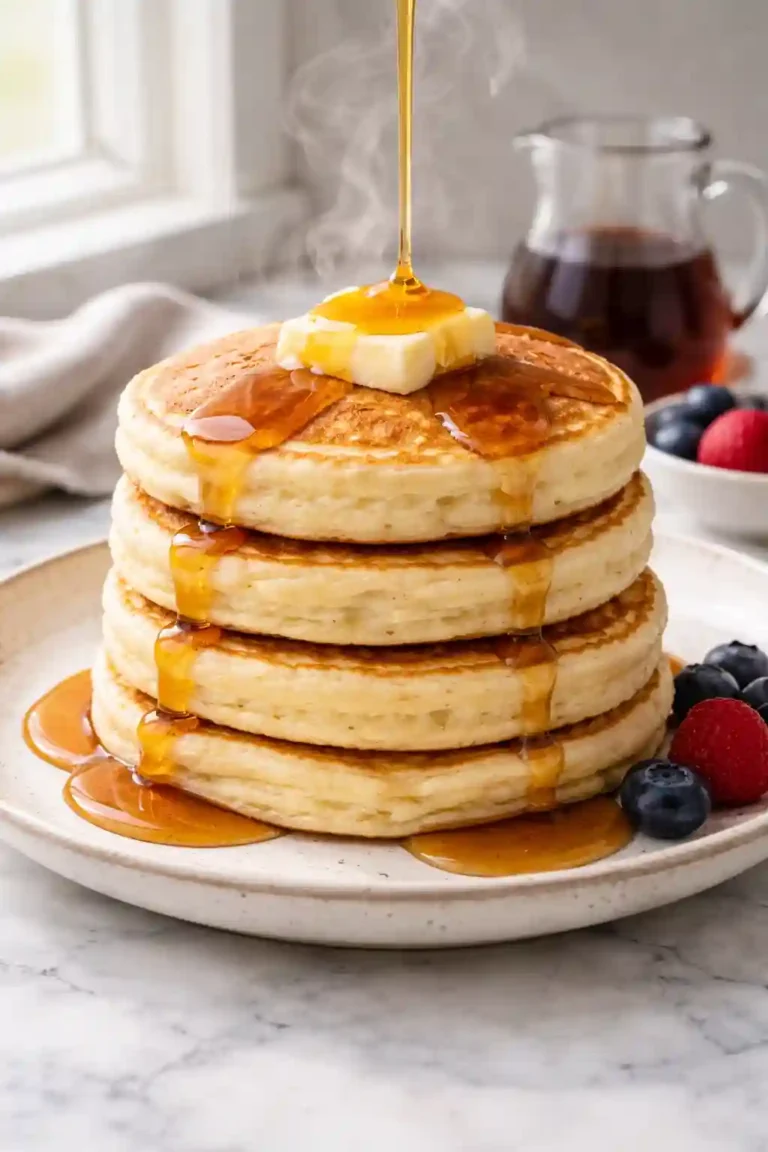
This super fluffy pancake recipe belongs firmly in the second category.
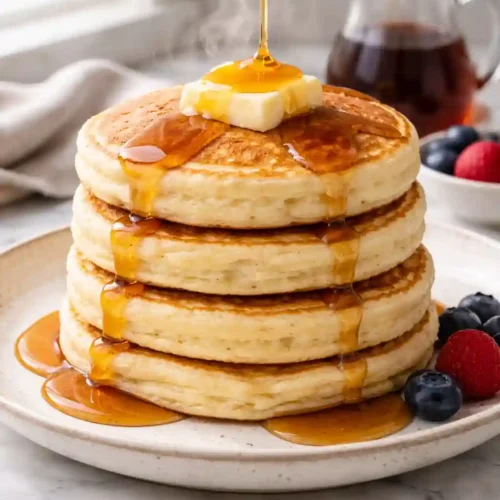
These pancakes cook up tall and tender, with lightly crisp edges from the griddle and centers so soft they almost steam when you pull them apart. The batter is thick enough to hold its shape, but not so heavy that the pancakes turn dense. That balance matters. It is what gives you that pillowy, bakery-style bite instead of something flat and rubbery.
I make these with buttermilk because it gives the crumb a gentle tang and helps keep the texture plush, and I am using both baking powder and baking soda because the two together create better lift and browning than either one alone. More on that in a minute.
And yes, the resting step stays. I know it is tempting to skip it. Don’t. Those few minutes help the flour hydrate and let the leavening settle into a batter that rises more evenly once it hits the pan.
Why These Pancakes Rise Like Little Pillows
The biggest difference between good pancakes and the kind people talk about all morning is not extra sugar or a fancy topping. It is technique.
This recipe uses a thick buttermilk batter, a restrained hand when mixing, and medium-low heat. That combination gives the pancakes enough time to climb upward before the outside gets too dark. If your skillet runs hot, the surface can look done while the middle stays wet. If you overmix, the gluten tightens and the crumb turns springy instead of soft.
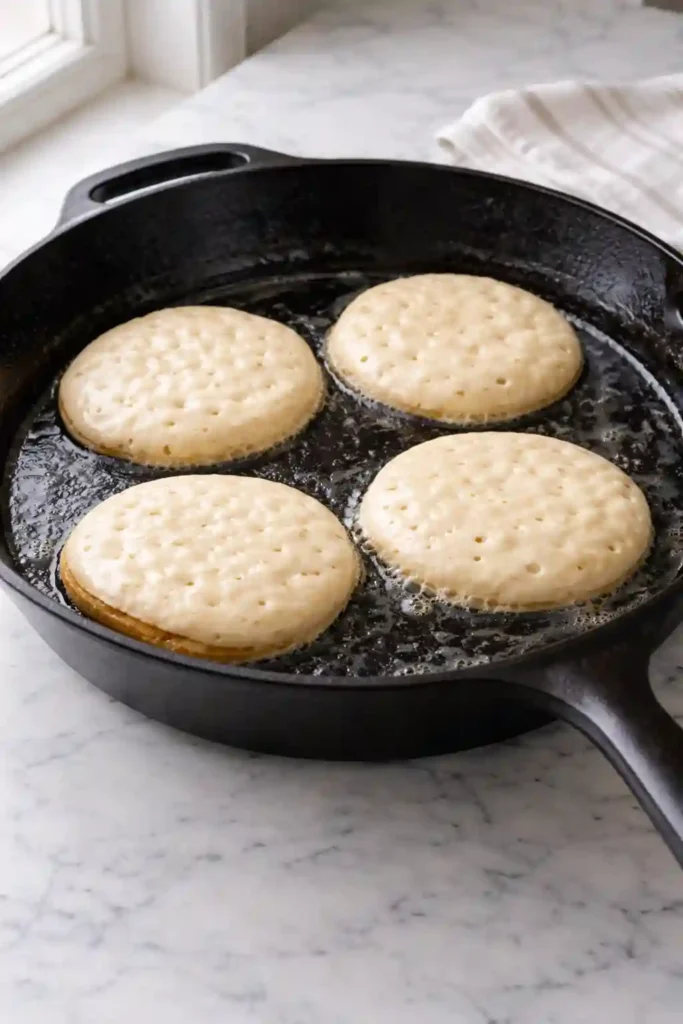
What you want is a batter that falls from the spoon slowly, not in a runny ribbon. You also want the first side to cook until the edges look a little matte and the bubbles on top start popping without immediately filling back in. That is your signal. Not the clock.
Once you learn those visual cues, this super fluffy pancake recipe stops feeling like a guess and starts feeling dependable.
The Pantry Lineup That Gives You Height, Tenderness, and Browning
All-Purpose Flour
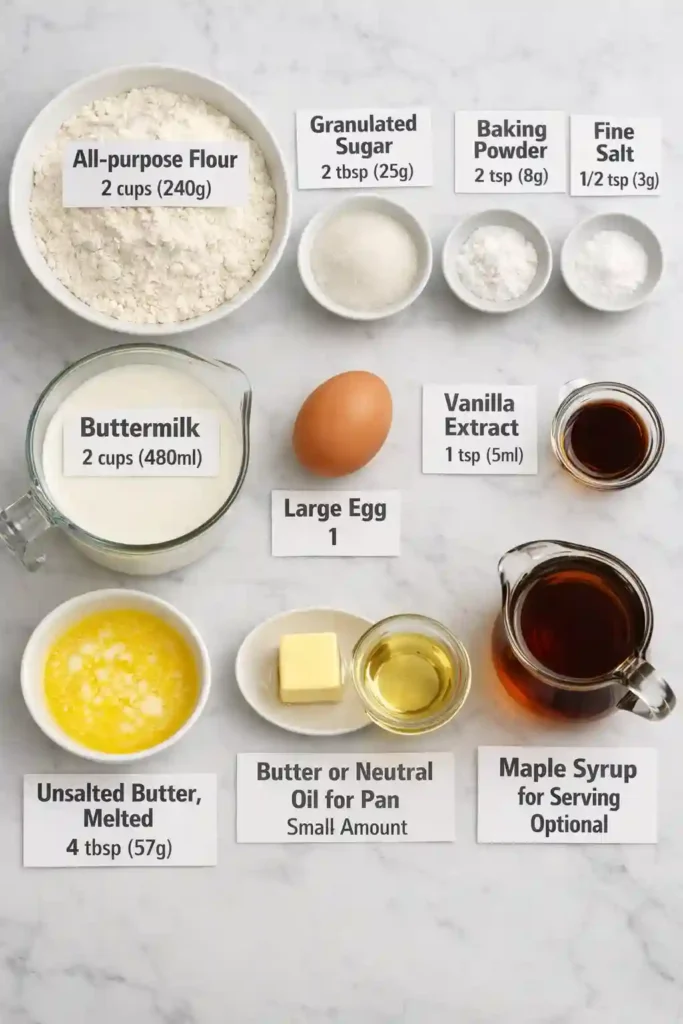
Amount: 2 cups (240g)
Why it matters here: Flour gives these pancakes their structure, but the amount has to be just right. Too little and the batter spreads thin; too much and the pancakes turn heavy. At 2 cups (240g), you get enough body for a tall stack without losing that soft interior.
Nutrition per serving: All-purpose flour contributes mostly carbohydrates for energy, with a modest amount of protein and a little iron from enrichment. It is the structural base more than the nutritional star.
What to look for: Standard all-purpose flour is exactly what you want. Scoop it lightly into the measuring cup or, even better, weigh it so the batter does not get overloaded.
Buttermilk
Amount: 2 cups (480ml)
Why it matters here: Buttermilk brings acidity, which wakes up the baking soda and helps create a more tender crumb. It also gives the pancakes a faint tang that keeps them from tasting flat once the butter and syrup go on.
Nutrition per serving: Buttermilk contributes protein, calcium, and a little potassium. It also adds moisture without making the batter loose.
What to look for: Buy cultured buttermilk from the dairy case. It should pour smoothly but still feel slightly thick. Thin, watery buttermilk makes a slacker batter.
Baking Powder
Amount: 2 teaspoons (8g)
Why it matters here: Baking powder gives these pancakes their main upward push once the batter hits the hot pan. It keeps the crumb light and helps build that rounded top instead of a flat, thin disk.
Nutrition per serving: Baking powder does not contribute much nutritionally, but it absolutely changes the final texture. This is one of the ingredients that earns its place through function.
What to look for: Check the date. If your baking powder has been sitting in the back of the cabinet for ages, replace it. Old leavening is one of the fastest ways to end up with sad pancakes.
Baking Soda
Amount: 1/2 teaspoon (3g)
Why it matters here: Baking soda reacts with the buttermilk right away, which adds extra lift and improves browning. It also helps the pancakes taste more balanced by softening some of the buttermilk tang.
Nutrition per serving: Like baking powder, this is here for chemistry, not macros. Its job is rise and color.
What to look for: Fresh baking soda with no stale, dusty smell. Once opened for too long, it loses strength.
Egg
Amount: 1 large egg (50g out of shell)
Why it matters here: The egg binds the batter, adds richness, and helps the pancakes set without turning fragile. It also contributes to that softly custardy middle that makes these feel more generous than basic box-mix pancakes.
Nutrition per serving: Egg adds protein, fat, choline, and several B vitamins. In this recipe, it supports both structure and tenderness.
What to look for: A standard large egg is perfect. If it is fridge-cold, that is fine, but room temperature blends a little more smoothly into the melted butter.
Melted Butter
Amount: 4 tablespoons (57g)
Why it matters here: Butter gives the pancakes a rounder flavor and helps create those lightly crisp, browned edges when the batter meets the pan. It is one of the reasons the kitchen smells so good while the first batch cooks.
Nutrition per serving: Butter adds fat and a small amount of vitamin A. Its real value here is flavor and mouthfeel.
What to look for: Use unsalted butter so you control the seasoning. Melt it gently and let it cool for a minute before mixing so it does not scramble the egg.
The rest of the supporting cast
You will also need 2 tablespoons (25g) granulated sugar, 1 teaspoon (5ml) vanilla extract, 1/2 teaspoon (3g) fine salt, and a little neutral oil or extra butter for the pan. For serving, real maple syrup and soft butter are hard to beat.
A Few Smart Swaps — and the Ones I Wouldn’t Make
If you do not have buttermilk, you can make a quick stand-in by stirring 2 tablespoons (30ml) lemon juice or white vinegar into 2 cups (480ml) milk and letting it sit for 5 to 10 minutes. It works, though the texture is a little less lush than cultured buttermilk.
You can swap the melted butter for 4 tablespoons (60ml) neutral oil if needed. The pancakes will stay soft, but you lose some of that toasted dairy flavor around the edges.
For a slightly heartier texture, replace up to 1/2 cup (60g) of the all-purpose flour with whole wheat flour. I would not go beyond that unless you are willing to accept a heavier pancake.
I would not use a thin dairy-free milk and expect the same height. And I would not reduce the leavening. Fluffiness is the point here.
The Tools That Keep the First Batch From Becoming the Test Batch
You do not need much: one large bowl, one medium bowl, a whisk, a spatula, a 1/4-cup (60ml) measure or scoop, and either a nonstick skillet, well-seasoned cast-iron skillet, or flat griddle.
If you make pancakes often, a stovetop griddle is genuinely useful because it gives you more even space and makes batch cooking less annoying. But a good skillet absolutely gets the job done.
From Bowl to Griddle Without Deflating the Batter
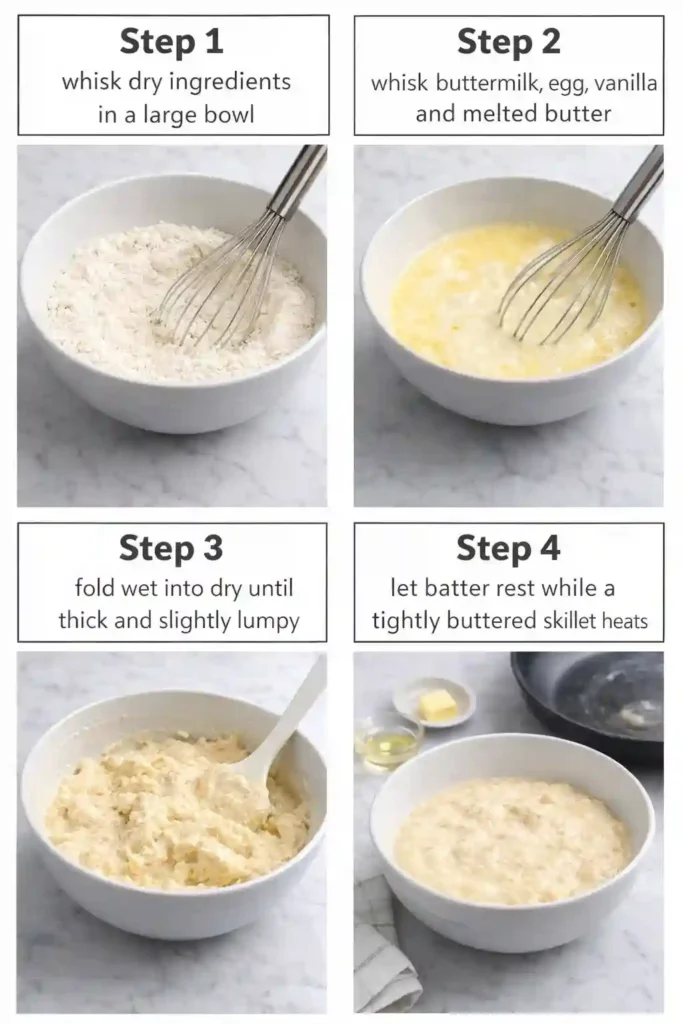
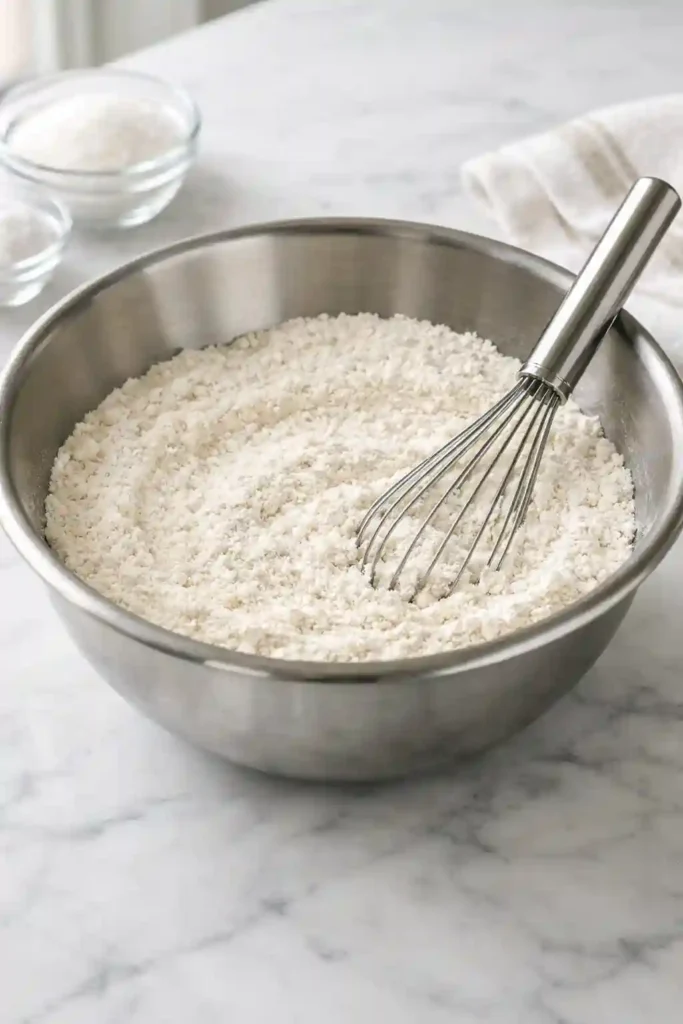
- Mix the dry ingredients. In a large bowl, whisk together the all-purpose flour, granulated sugar, baking powder, baking soda, and salt until everything looks evenly combined and no little pockets of leavening remain.
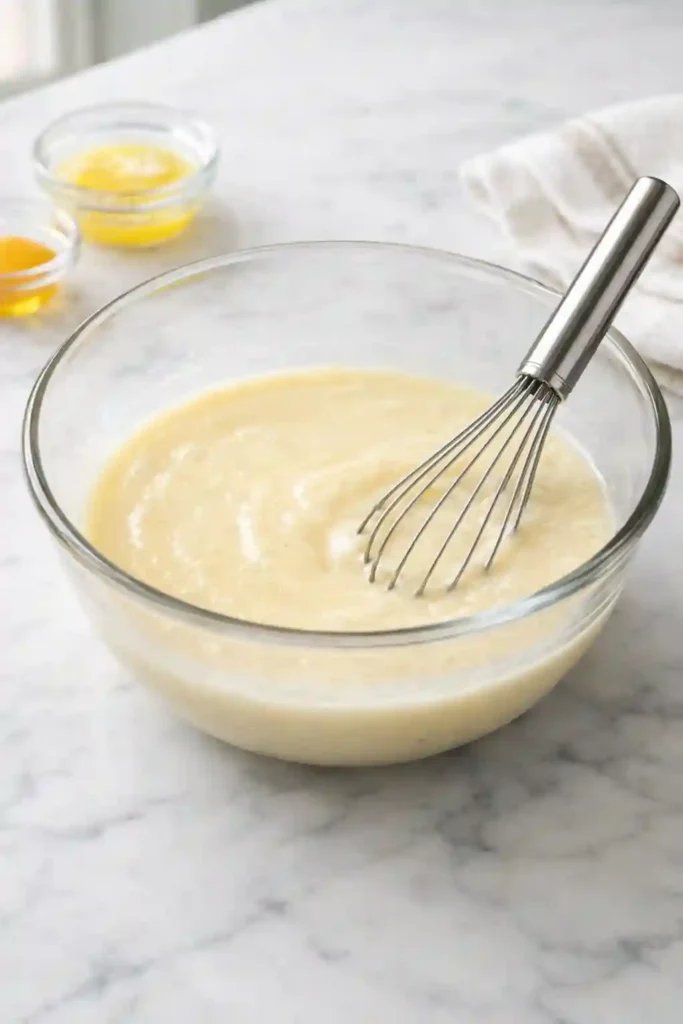
- Mix the wet ingredients. In a medium bowl, whisk the buttermilk, egg, vanilla extract, and melted butter until smooth and lightly creamy. If the butter tries to separate a little, do not worry. Once it meets the flour, it will come together.
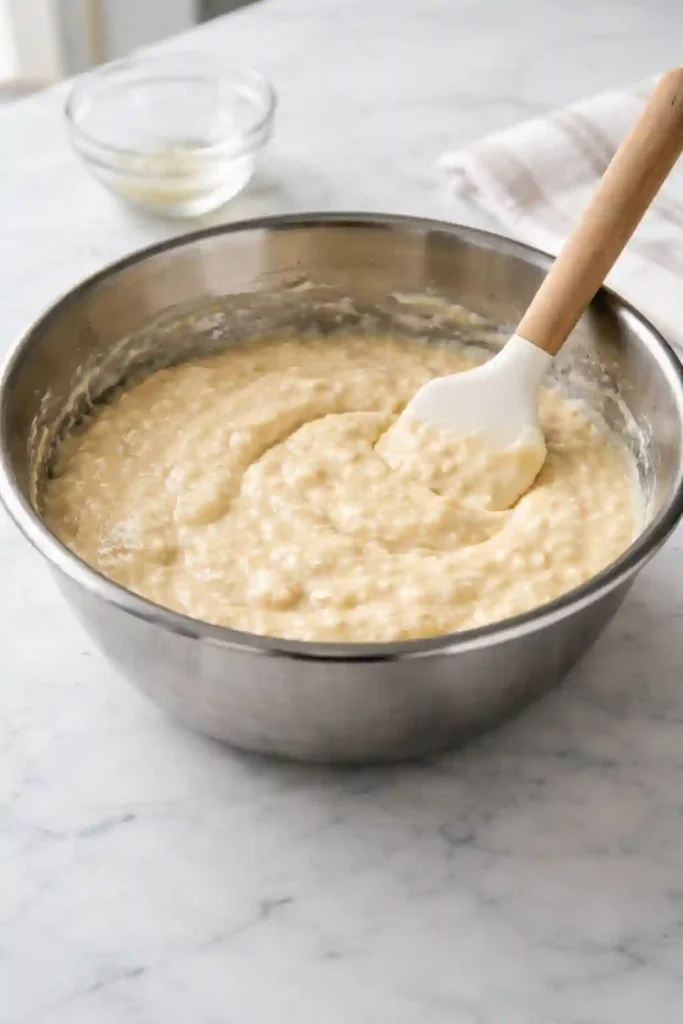
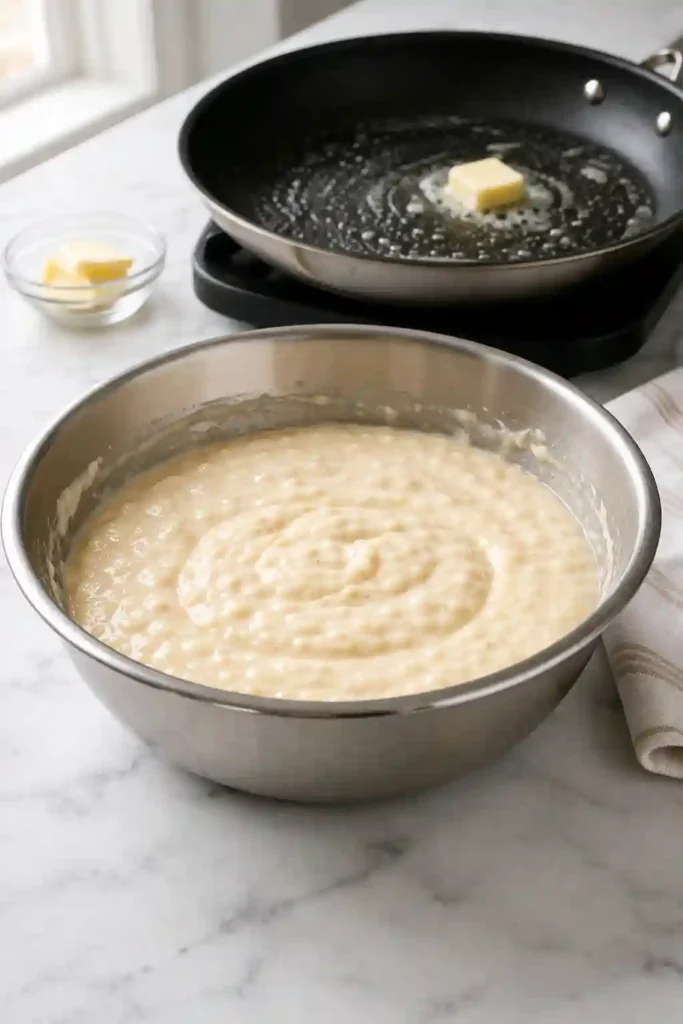
- Bring the batter together gently. Pour the wet mixture into the dry ingredients and fold with a spatula just until the flour disappears. The batter should look thick and slightly lumpy. That is exactly right. Stop before it turns glossy and perfectly smooth, because that is when the pancakes start losing tenderness.
- Rest the batter and heat the pan. Let the batter sit for 5 to 7 minutes while you heat a lightly buttered or oiled skillet over medium-low heat. When a tiny drop of batter lands with a gentle sizzle instead of an angry hiss, the pan is ready.
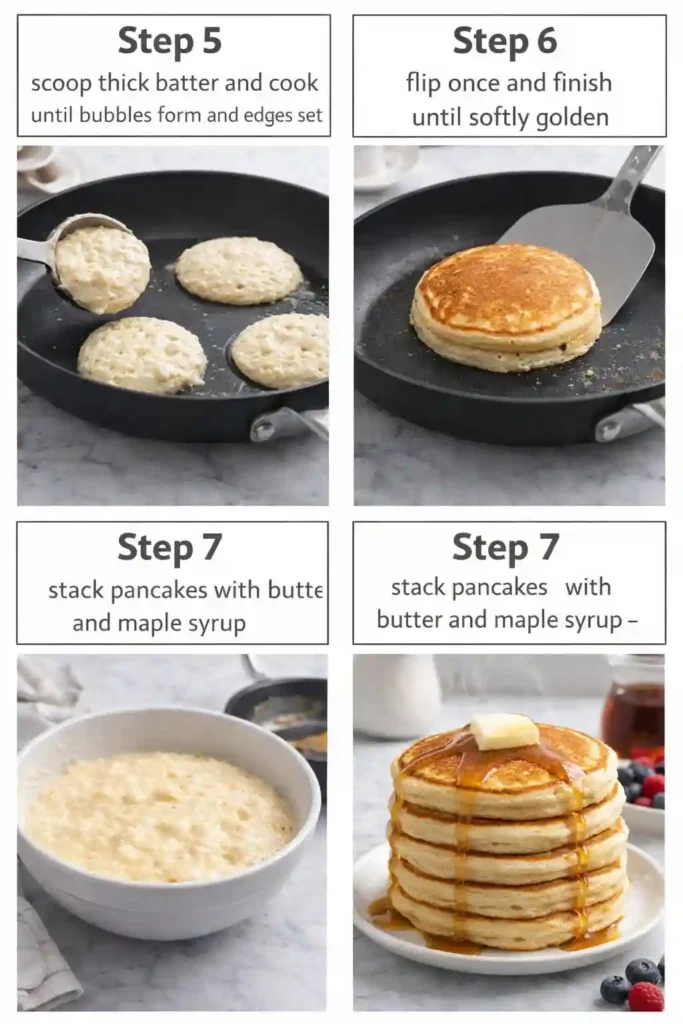
- Cook the first side slowly. Scoop 1/4 cup (60ml) portions of batter onto the pan, leaving space between them. Let them cook undisturbed for about 2 to 3 minutes, until the edges look set, the tops show bubbles, and the underside is a rich light-golden brown.
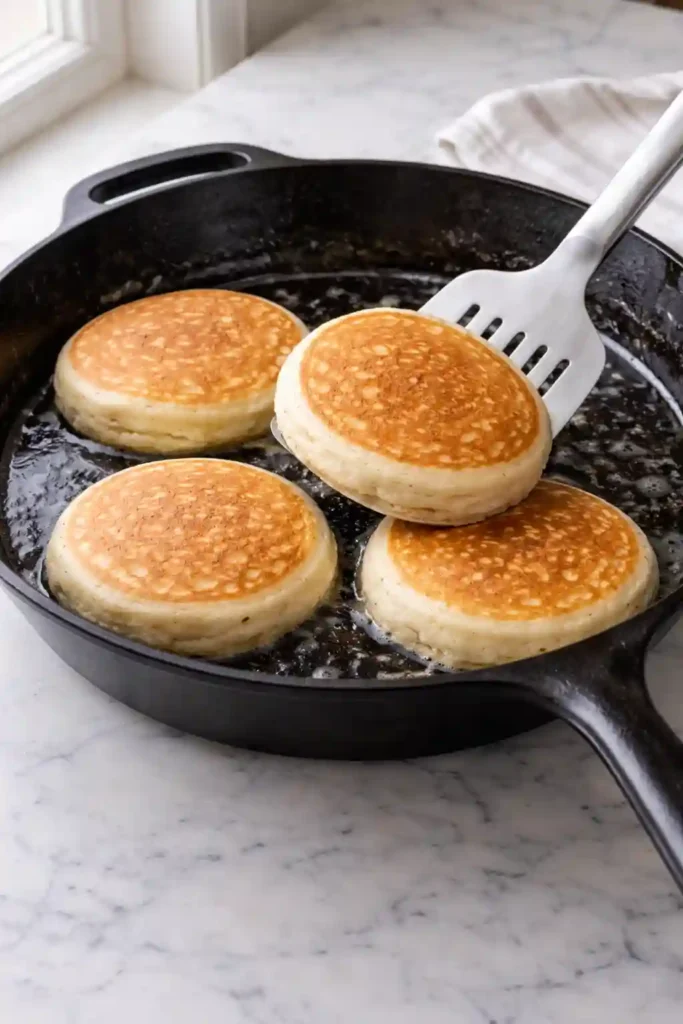
- Flip once and finish. Turn each pancake and cook for another 1 1/2 to 2 minutes. The second side should be softly golden, and the center should spring back lightly when pressed. If the outside colors too fast, lower the heat before the next round.
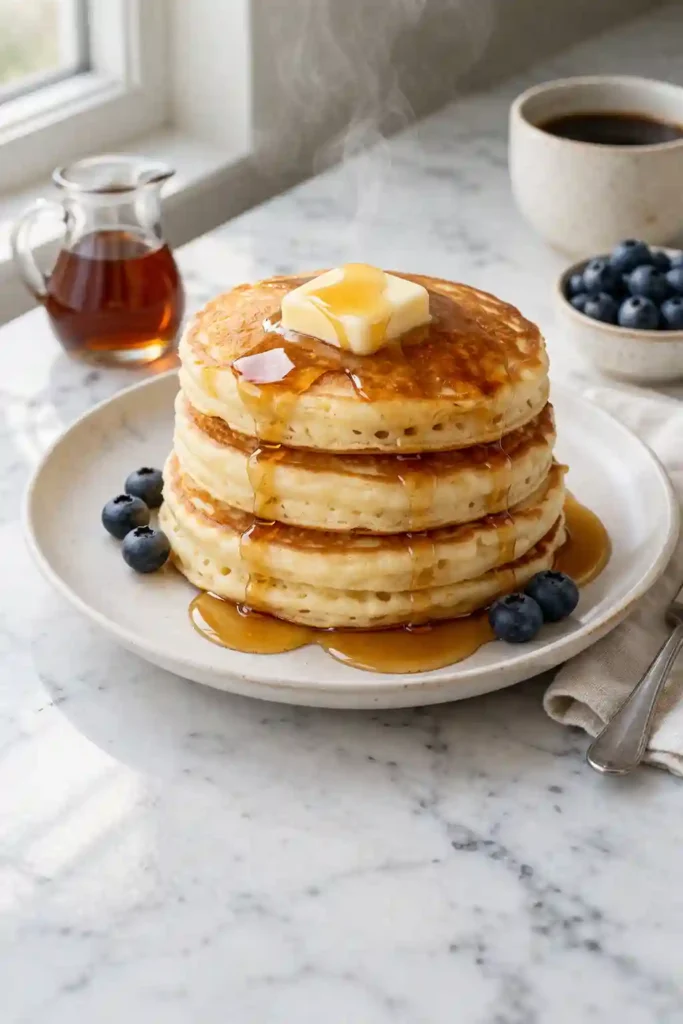
- Stack, butter, and serve while warm. Keep finished pancakes on a wire rack in a 200°F (95°C) oven if you are cooking in batches. Serve with soft butter and warm maple syrup. This is the moment when the ridges catch the syrup and the whole stack starts looking unfairly good.
The Tiny Decisions That Separate Fluffy From Flat
The batter should be thick enough to mound slightly when it hits the pan. If it runs everywhere, add 1 tablespoon (8g) flour at a time. If it feels more like biscuit dough than pancake batter, loosen it with 1 tablespoon (15ml) buttermilk.
Do not press the pancakes after flipping. I know people love doing this. It pushes out the steam that keeps the interior soft.
If your pancakes look dark before the centers are set, the pan is too hot. Drop the heat and give the skillet a minute to calm down. Thick pancakes need time more than aggression.
If the batter starts thickening too much as it stands, stir it once very gently. Not a hard whisk. Just enough to loosen it.
For extra insurance, read through King Arthur’s pancake guidance on heat and batter handling. Their baking advice lines up beautifully with the same cues that keep fluffy pancakes tall, tender, and evenly cooked.
If You Want Blueberry, Chocolate Chip, or a Little More Tang
For blueberry pancakes, scatter a few fresh blueberries directly onto each pancake after the batter is on the pan. This keeps the berries from staining the whole bowl and helps them stay evenly distributed.
For chocolate chip pancakes, use about 1/2 cup (85g) mini chips and add them the same way, right after portioning the batter. That way they do not sink to the bottom of the bowl.
If you like a tangier pancake, add 2 tablespoons (30g) sour cream to the wet ingredients and thin the batter with a splash of extra buttermilk if needed.
For a cinnamon version, whisk 1/2 teaspoon (1g) ground cinnamon into the dry ingredients. It gives the whole batch a warmer, bakery-case smell.
What Belongs Next to a Tall Stack
The classic move is soft butter and maple syrup, and it is classic for a reason.
If you want to turn breakfast into a full spread, pair these pancakes with Easy Cottage Cheese Egg Bites for Busy Mornings for something savory and protein-rich on the side. The creamy egg bites balance the sweet, buttery stack nicely.
For a brunch table, fresh berries, crisp bacon, breakfast sausage, and a bowl of salted whipped butter make these feel extra generous. And if you are building out your breakfast rotation, this recipe sits beautifully next to baked treats and make-ahead snacks like protein cookies for later in the day.
How to Keep Leftovers Soft Instead of Rubbery
Storage
Let the pancakes cool completely, then refrigerate them in an airtight container for up to 4 days. Place parchment or wax paper between layers if you are stacking them.
Freezing
Freeze the pancakes in a single layer first, then transfer them to a freezer bag once firm. They keep well for up to 2 months and reheat far better when frozen flat first.
Reheating
Warm refrigerated pancakes in a toaster, skillet, or 300°F (150°C) oven until heated through. For frozen pancakes, the toaster is especially good because it revives the edges without drying the middle.
Make-Ahead
You can mix the dry ingredients the night before, but do not fully mix the batter ahead and expect the same rise. Once the leavening is activated, time matters.
Super Fluffy Buttermilk Pancakes
Equipment
- Large mixing bowl
- Medium mixing bowl
- Whisk
- Spatula
- Nonstick skillet or griddle Cook over medium-low heat
- 1/4-cup measure For portioning batter
Ingredients
Pancake Batter
- 2 cups all-purpose flour
- 2 tbsp granulated sugar
- 2 tsp baking powder
- 1/2 tsp baking soda
- 1/2 tsp fine salt
- 2 cups buttermilk
- 1 large egg
- 1 tsp vanilla extract
- 4 tbsp unsalted butter melted
For Cooking and Serving
- 1 tbsp neutral oil or butter for the pan, as needed
- soft butter for serving, optional
- maple syrup for serving, optional
Instructions
Make the Pancakes
- In a large bowl, whisk together the all-purpose flour, granulated sugar, baking powder, baking soda, and salt until evenly combined.

- In a medium bowl, whisk the buttermilk, egg, vanilla extract, and melted butter until smooth and lightly creamy.
- Pour the wet mixture into the dry ingredients and fold gently with a spatula just until the flour disappears. The batter should be thick and slightly lumpy.
- Let the batter rest for 5 to 7 minutes while you heat a lightly buttered or oiled skillet over medium-low heat.
- Scoop 1/4 cup portions of batter onto the pan and cook for 2 to 3 minutes, until the edges look set, bubbles form on top, and the underside is light golden brown.
- Flip each pancake and cook for another 1 1/2 to 2 minutes, until the second side is softly golden and the center springs back lightly when pressed.
- Keep finished pancakes warm in a 200°F oven if needed, then stack and serve with soft butter and maple syrup.
Notes
Frequently Asked Questions
What makes this super fluffy pancake recipe so fluffy?
It is the combination of thick batter, buttermilk, fresh baking powder, baking soda, and gentle mixing. Medium-low heat matters too, because it gives the pancakes time to rise and set before the outside overbrowns.
Can I make this super fluffy pancake recipe without buttermilk?
Yes. Stir 2 tablespoons (30ml) lemon juice or vinegar into 2 cups (480ml) milk and let it sit for 5 to 10 minutes. Real buttermilk gives a better texture, but the substitute works well enough for a weekend breakfast.
Why are my pancakes flat instead of fluffy?
Usually one of three things happened: the batter was overmixed, the leavening was old, or the pan was too hot. All three limit rise and make the crumb tighter.
Should pancake batter be lumpy?
Yes. Slight lumps are a good sign. A completely smooth batter often means it has been overworked, which can lead to tougher pancakes.
When should I flip pancakes?
Flip when the edges start looking set, the top has bubbles, and some of those bubbles have popped and stayed open. If you flip too early, the batter can smear and collapse.
Can I freeze fluffy pancakes?
Absolutely. Cool them completely, freeze them flat, then store them in a freezer bag. Reheat from frozen in a toaster or low oven.
The Pancake Recipe You Reach for When Box Mix Starts Feeling Sad
This is the kind of breakfast recipe that earns its keep.
Not because it is flashy. Because it works. The batter is thick, the centers stay soft, and the edges pick up just enough golden color to taste buttery and warm even before the syrup goes on.
If brunch is the plan, follow these with a richer centerpiece like Crème Brûlée French Toast another weekend and you have two very different ways to make morning feel a little more generous.
Make these once with the right heat and a gentle hand, and they become the pancake recipe you stop comparing to other pancake recipes.