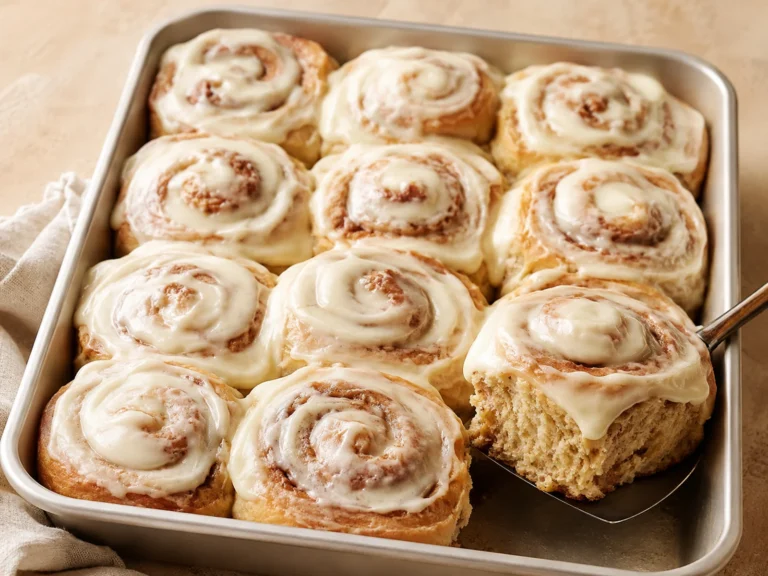
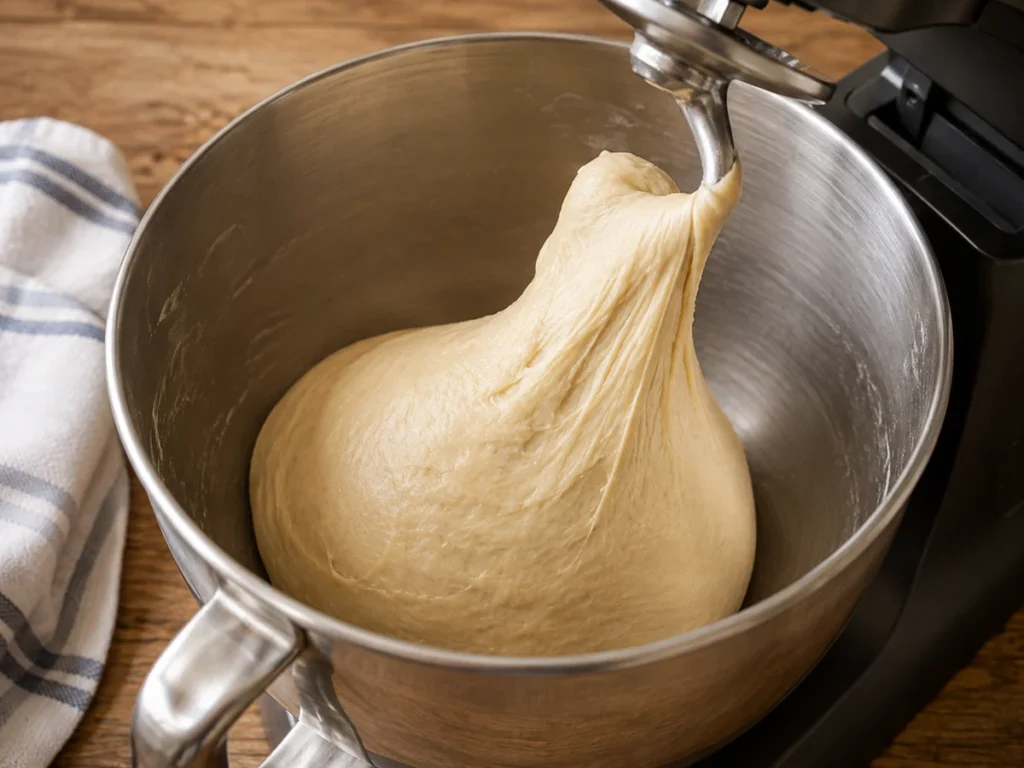
These banana bread cinnamon rolls combine the soft crumb of a banana-enriched yeast dough with a cinnamon-brown sugar spiral and a creamy vanilla cream cheese icing. The key is controlling moisture: ripe banana makes the dough tender, but the dough should still become smooth, elastic, and only slightly tacky before its first rise.
Jump to recipe: the complete ingredient amounts and instructions are in the recipe card below.
How Banana Changes Yeast Dough
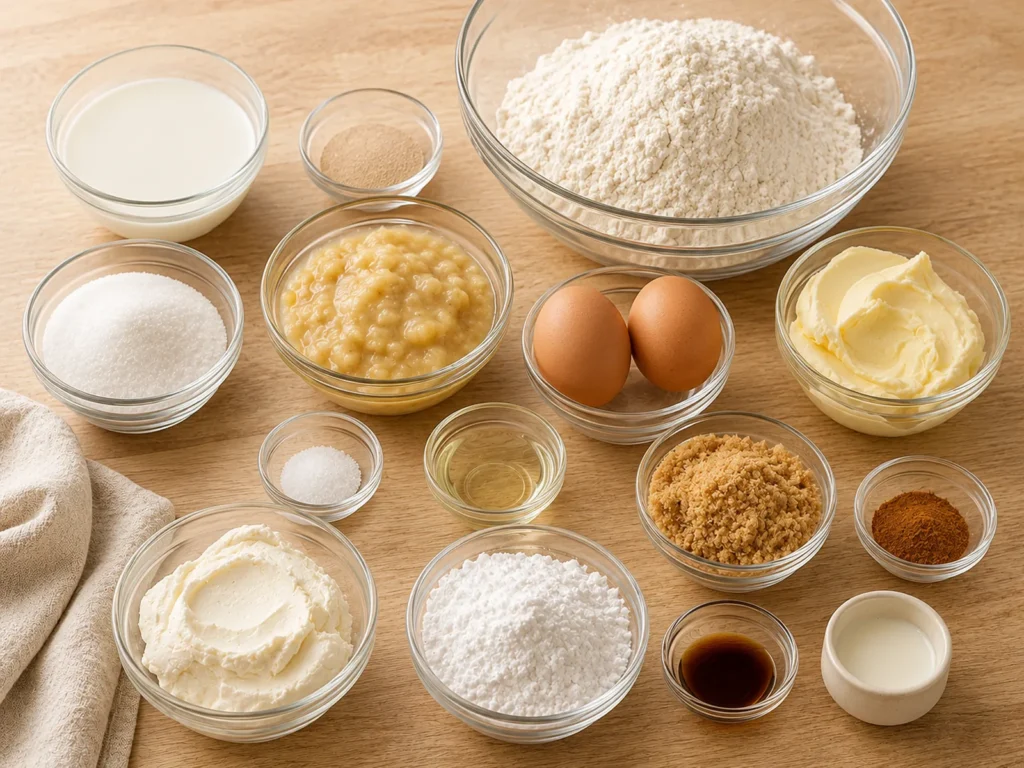
Mashed ripe banana contributes water, natural sugars, and starch. That combination creates a tender crumb and a mild banana flavor, but it also makes the dough feel softer than standard cinnamon roll dough. Measure the banana after mashing and avoid adding extra flour simply to make the dough dry. A properly kneaded dough can feel slightly tacky while still releasing from a clean fingertip without leaving wet dough behind.
Banana Bread Cinnamon Rolls

Equipment
- Light-colored 9×13-inch metal baking pan Supports even browning and the intended 3-by-4 arrangement.
- Stand mixer with dough hook Optional; a 5-quart or larger mixer reduces kneading variability.
- Digital instant-read thermometer Checks the milk and the center roll.
- Rolling Pin
- Unflavored dental floss or sharp knife
- Wire rack
Ingredients
Banana Yeast Dough
- 3/4 cup whole milk warmed to 105–110°F
- 2 1/4 teaspoons active dry yeast
- 1/3 cup granulated sugar divided; use 1 teaspoon with the yeast
- 1 cup mashed ripe banana about 225 g, measured after mashing
- 2 large eggs room temperature, lightly beaten
- 1/3 cup unsalted butter softened
- 1 1/2 teaspoons fine salt
- 5 cups all-purpose flour about 600 g, spooned and leveled
- 1 tablespoon neutral oil for the proofing bowl
Cinnamon Filling
- 1/2 cup unsalted butter very soft, not melted
- 3/4 cup light brown sugar packed
- 1 1/2 tablespoons ground cinnamon
- 1/8 teaspoon fine salt
- 1/2 cup chopped walnuts or pecans optional
Cream Cheese Icing
- 4 ounces full-fat cream cheese softened
- 1/4 cup unsalted butter softened
- 1 1/2 cups powdered sugar
- 1 teaspoon vanilla extract
- 1/8 teaspoon fine salt
- 1–2 tablespoons whole milk add only as needed
Instructions
Make the Dough
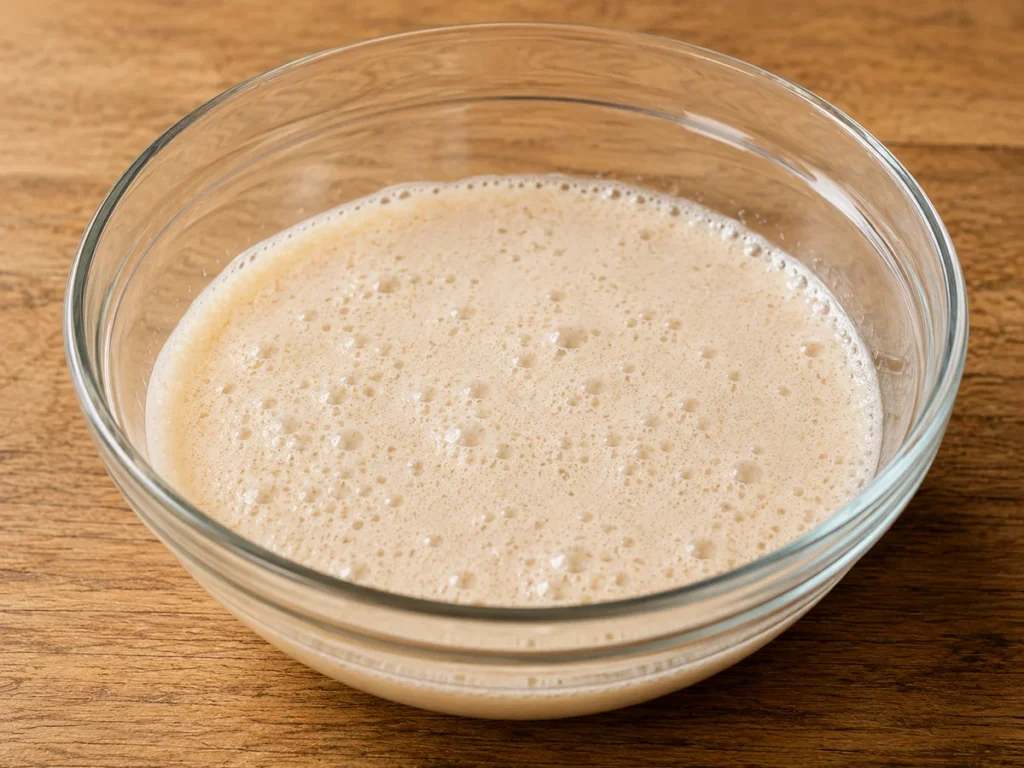
- Warm the milk to 105–110°F. Combine it with the yeast and 1 teaspoon of the measured granulated sugar. Let stand for 5–10 minutes, until a creamy foam forms across much of the surface.3/4 cup whole milk, 2 1/4 teaspoons active dry yeast, 1/3 cup granulated sugar

- Add the remaining granulated sugar, mashed banana, eggs, softened butter, and salt. Mix until mostly combined. Add the flour gradually while mixing on low. Knead with a dough hook on medium-low for 6–8 minutes, or by hand for 9–11 minutes, until the dough is smooth, elastic, and slightly tacky but releases from a clean fingertip without leaving wet dough behind.1/3 cup granulated sugar, 1 cup mashed ripe banana, 2 large eggs, 1/3 cup unsalted butter, 1 1/2 teaspoons fine salt, 5 cups all-purpose flour
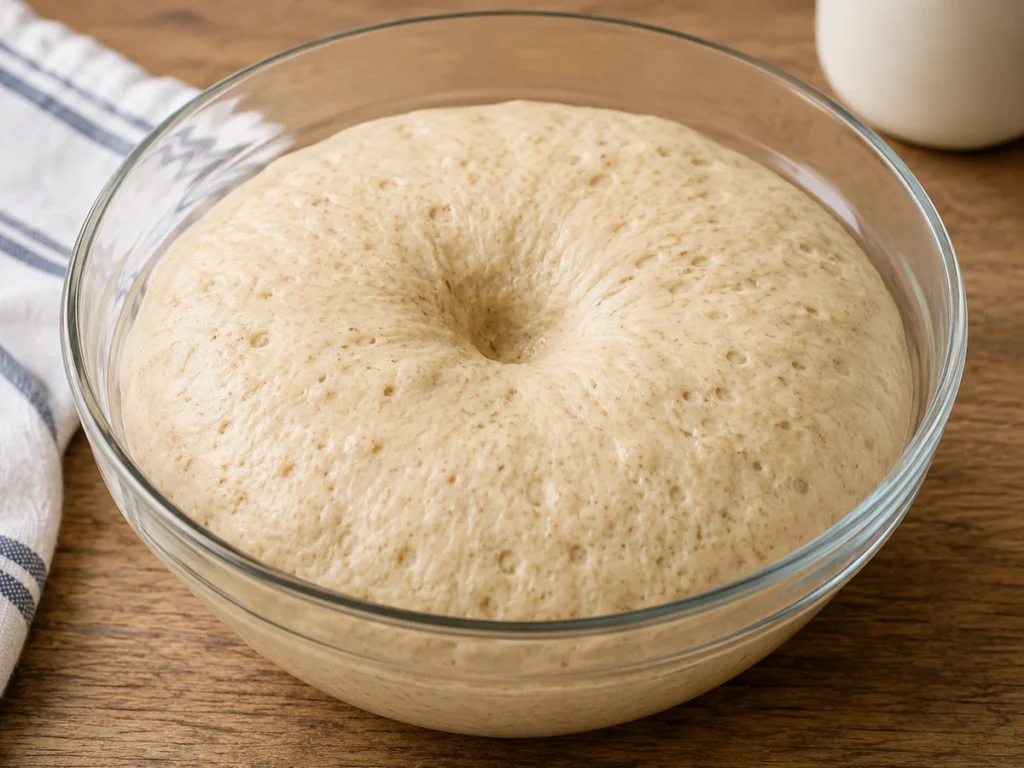
- Coat a clean bowl with the neutral oil. Shape the dough into a ball, turn it once in the bowl, and cover. Let rise in a warm, draft-free place for 60–75 minutes, until approximately doubled and a lightly floured fingertip indentation slowly springs partway back.1 tablespoon neutral oil
Fill and Shape
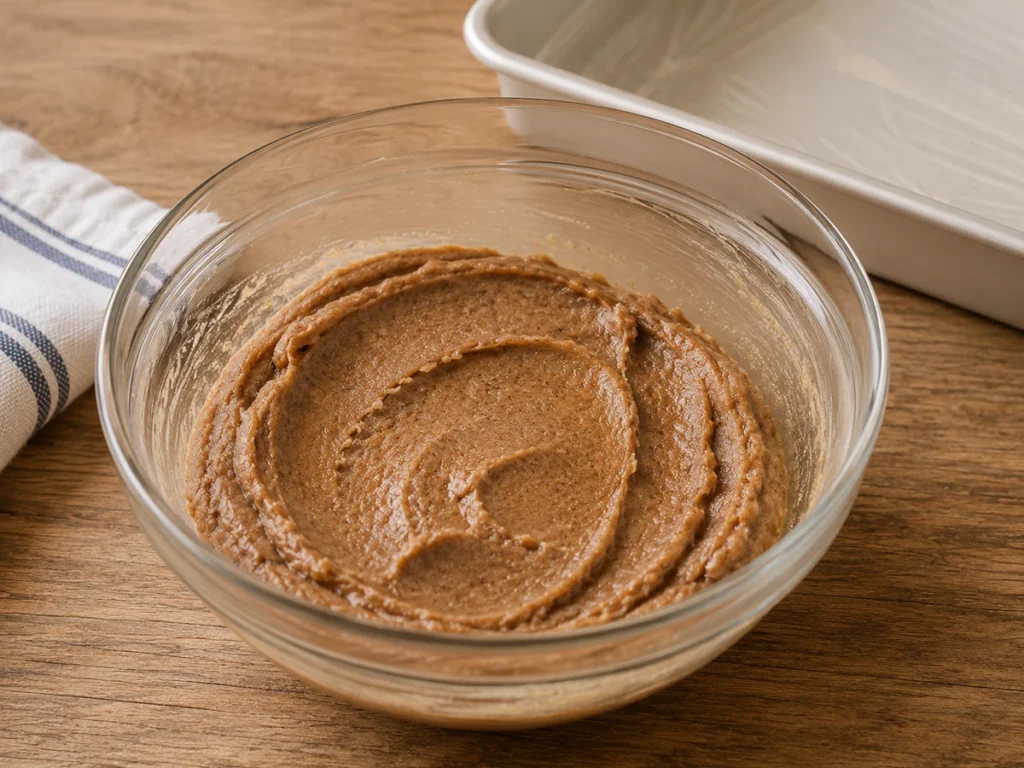
- Lightly grease a light-colored 9×13-inch metal baking pan. Mix the softened butter, brown sugar, cinnamon, and salt into an even, spreadable paste.1/2 cup unsalted butter, 3/4 cup light brown sugar, 1 1/2 tablespoons ground cinnamon, 1/8 teaspoon fine salt
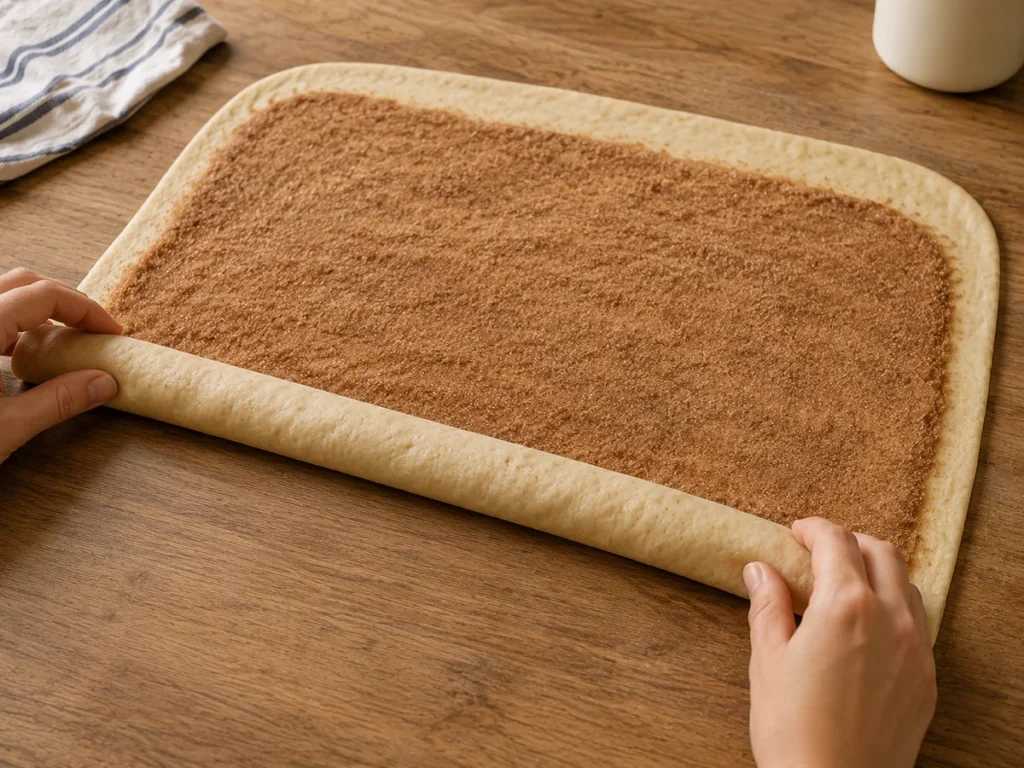
- Gently deflate the dough and roll it on a lightly dusted surface into a 16×12-inch rectangle. Spread the filling evenly to within 1/2 inch of the far long edge. Sprinkle with the optional nuts only when using them. Starting from the long edge nearest you, roll into a snug log without stretching and pinch the seam to seal.1/2 cup chopped walnuts or pecans
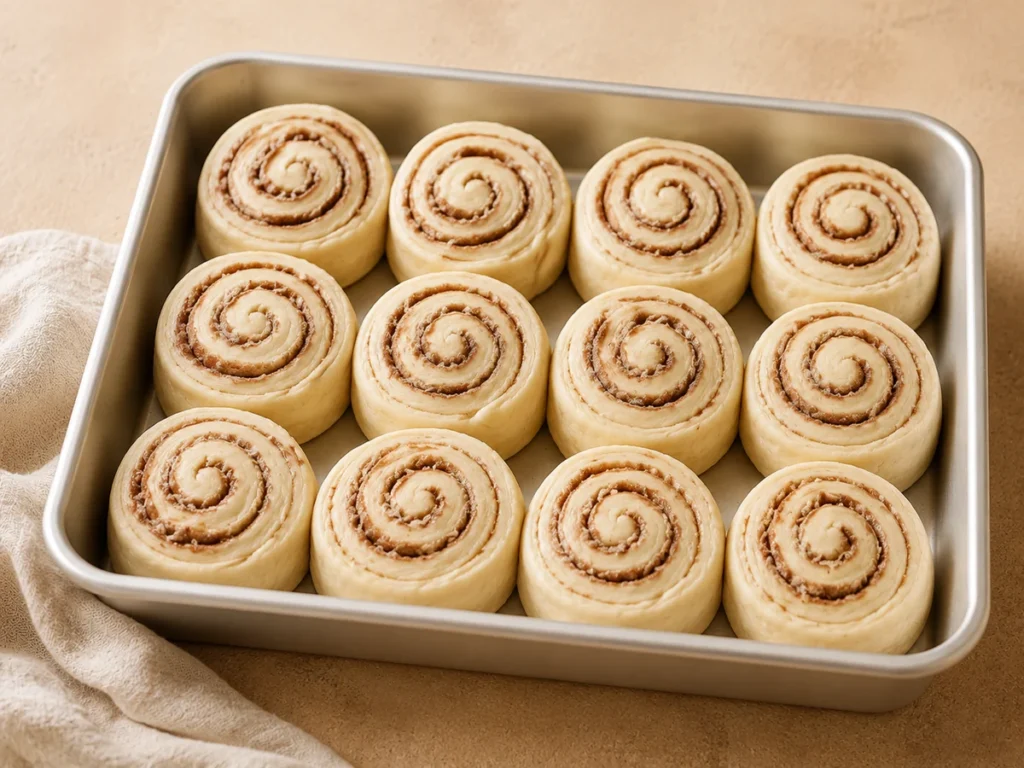
- Cut the log into 12 equal rolls, approximately 1 1/3 inches wide. Arrange them cut-side up in the prepared pan in 3 rows of 4, leaving small gaps between the rolls.
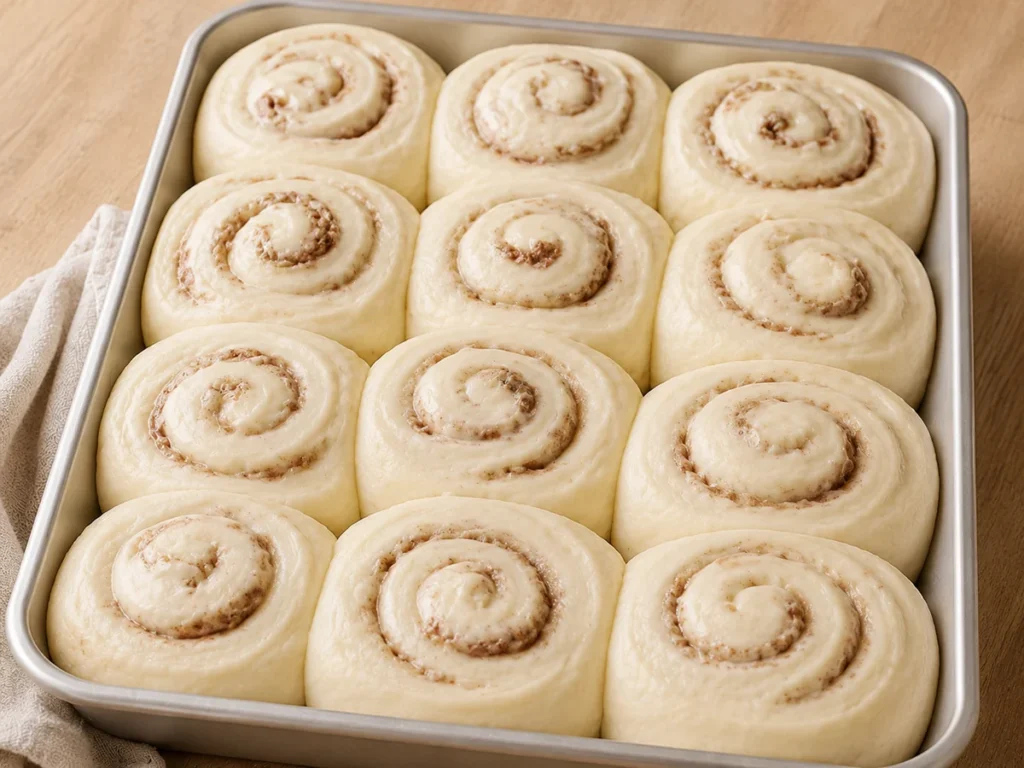
- Cover and let rise for 35–45 minutes. After the first 15 minutes, position a rack in the center of the oven and preheat to 350°F. The rolls are ready when visibly expanded, nearly touching, and a gentle fingertip press springs back slowly without collapsing.
Bake and Finish
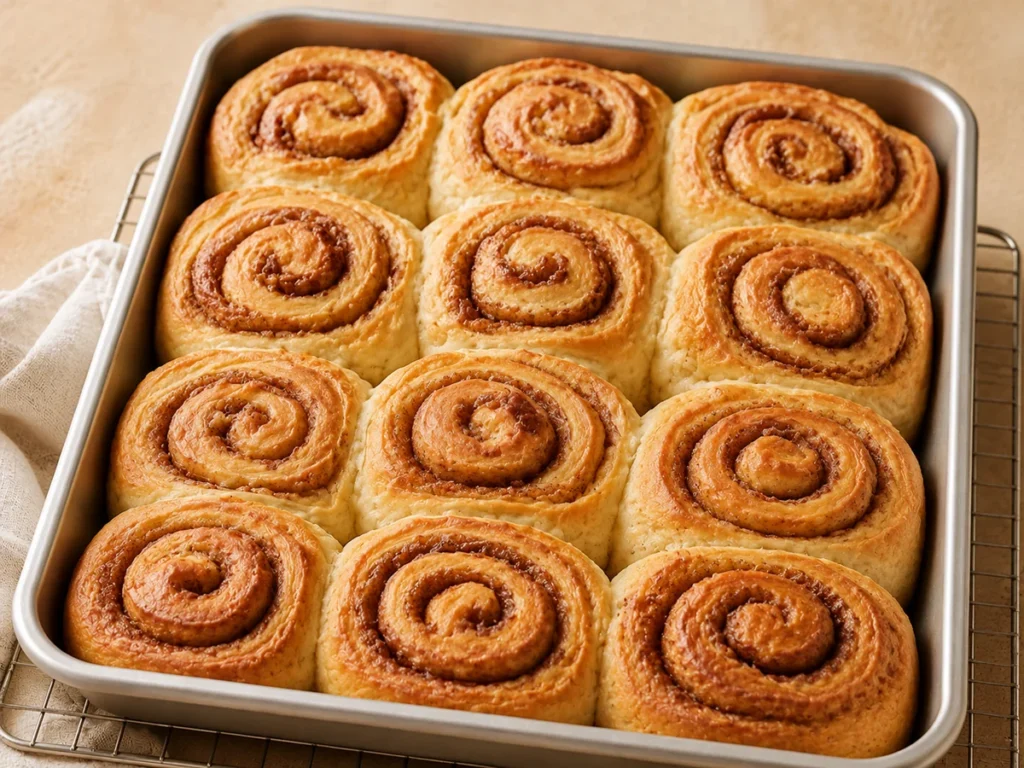
- Bake on the center rack at 350°F for 25–30 minutes, until evenly golden, the center roll no longer looks wet or compressed between its spirals, and its internal temperature reaches 190–195°F. Cover loosely with foil during the final 5–8 minutes if the tops brown too quickly. Cool in the pan on a wire rack for 10 minutes.
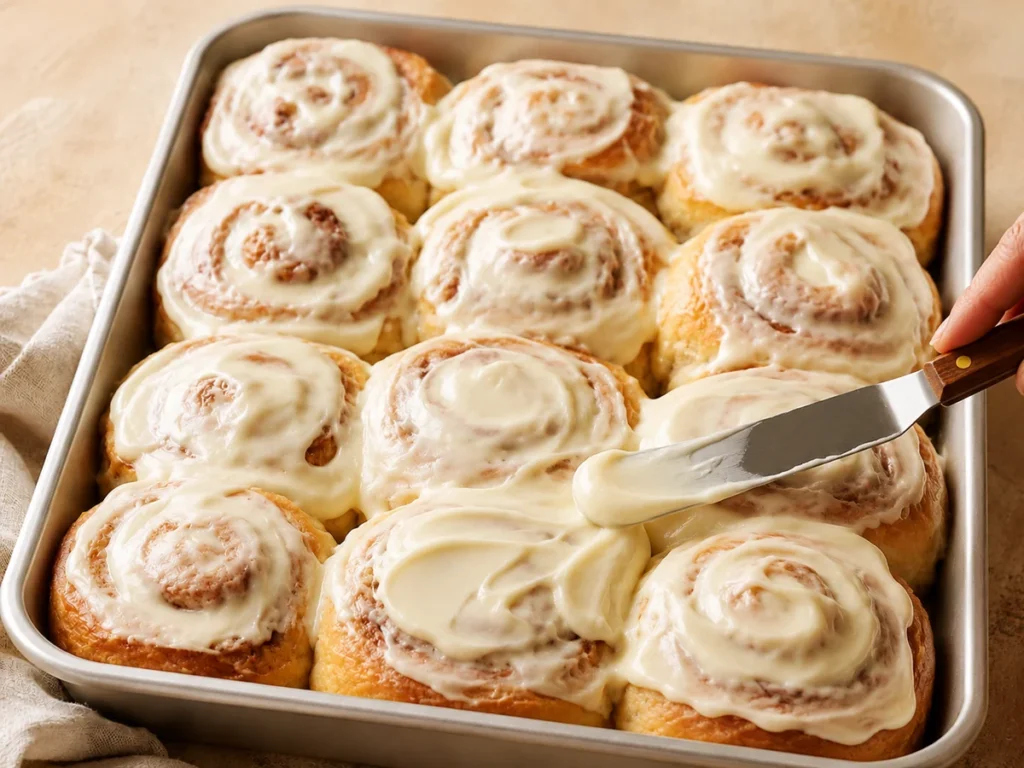
- Beat the cream cheese and butter until smooth. Mix in the powdered sugar, vanilla, and salt. Add milk 1 tablespoon at a time only as needed for a thick, spreadable consistency. Spread over the warm, not piping-hot, rolls and serve.4 ounces full-fat cream cheese, 1/4 cup unsalted butter, 1 1/2 cups powdered sugar, 1 teaspoon vanilla extract, 1/8 teaspoon fine salt, 1–2 tablespoons whole milk
Notes
Nutrition
Use Dough Cues Instead of the Clock Alone
Proofing time changes with room temperature, yeast activity, and ingredient temperature. During the first rise, look for roughly doubled volume and an indentation that slowly springs partway back. During the second rise, the rolls should look expanded and nearly touch in the pan. If the dough snaps back immediately, it needs more time; if it collapses under a gentle press, it has gone too far.
How to Keep the Spirals Defined
Use butter that is very soft but not melted. Melted butter can run out of the dough before the filling has a chance to set. Roll the log snugly without stretching it, seal the bare edge, and cut with unflavored dental floss or a sharp knife so the layers stay round instead of becoming compressed.
Know When the Center Is Baked
Golden tops are only one signal. The center roll should look set between its spirals rather than wet or compressed, and an instant-read thermometer should register 190–195°F in the center. If the surface darkens too quickly, loosely cover the pan with foil while the center finishes baking.
Make Them Ahead for Brunch
For an overnight option, refrigerate the shaped rolls before the second rise. The next morning, keep them covered at room temperature until they are visibly puffy and nearly touching before baking. This stage may take longer than the same-day rise because the dough must warm before the yeast becomes fully active again.
For a faster breakfast without a long rise, try this super fluffy pancake recipe. For another banana dessert with a creamy finish, see the strawberry banana pudding.
Storage and Reheating
Because the icing contains cream cheese, store frosted rolls in an airtight container in the refrigerator for up to 4 days. Warm individual rolls briefly so the crumb softens without melting all of the icing.
How ripe should bananas be for banana bread cinnamon rolls?
Use very ripe, heavily speckled bananas and measure the mashed banana accurately (1/2 cup / 120 g) so the yeast dough stays soft and elastic without becoming overly wet or sticky.
How do you keep the cinnamon swirl from leaking out while baking?
Use softened butter rather than melted butter for the cinnamon-brown sugar filling, roll the dough cylinder snugly, and slice the rolls with unflavored dental floss so the layers are not compressed.
Can I prep banana bread cinnamon rolls overnight?
Yes. Shape and slice the rolls, arrange them in the parchment-lined baking pan, cover tightly, and refrigerate overnight for up to 14 hours. Let them sit at room temperature for 60 to 90 minutes until puffy before baking.
What internal temperature shows cinnamon rolls are fully baked in the center?
Bake until the tops are golden brown and an instant-read thermometer inserted into the center roll registers 190°F to 195°F (88°C to 91°C).