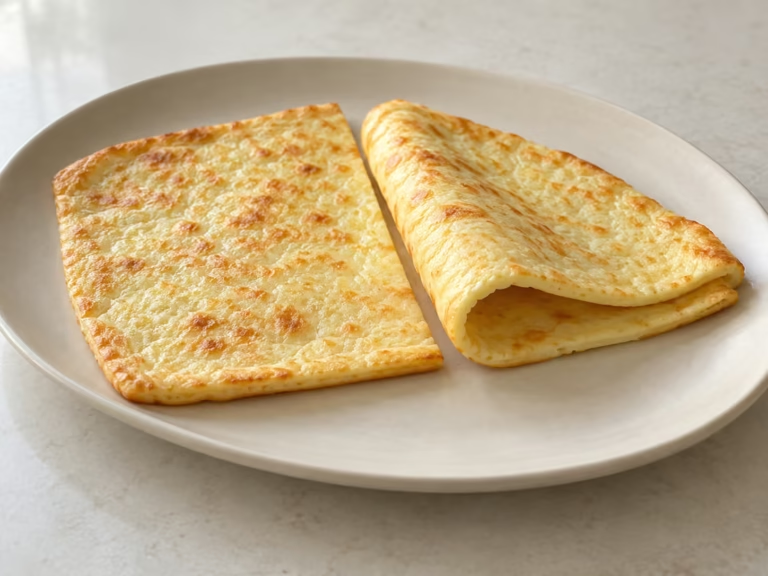
This cottage cheese flatbread recipe uses cottage cheese and whole eggs for a flourless base intended to fold around a small sandwich. Expect a soft center and lightly golden edges. Plan on about 80 minutes, including cooling; baking takes an estimated 35–40 minutes. The details that matter most are an even layer, lightly oiled parchment, and waiting until the flatbread cools before peeling.
Key ingredients and practical swaps
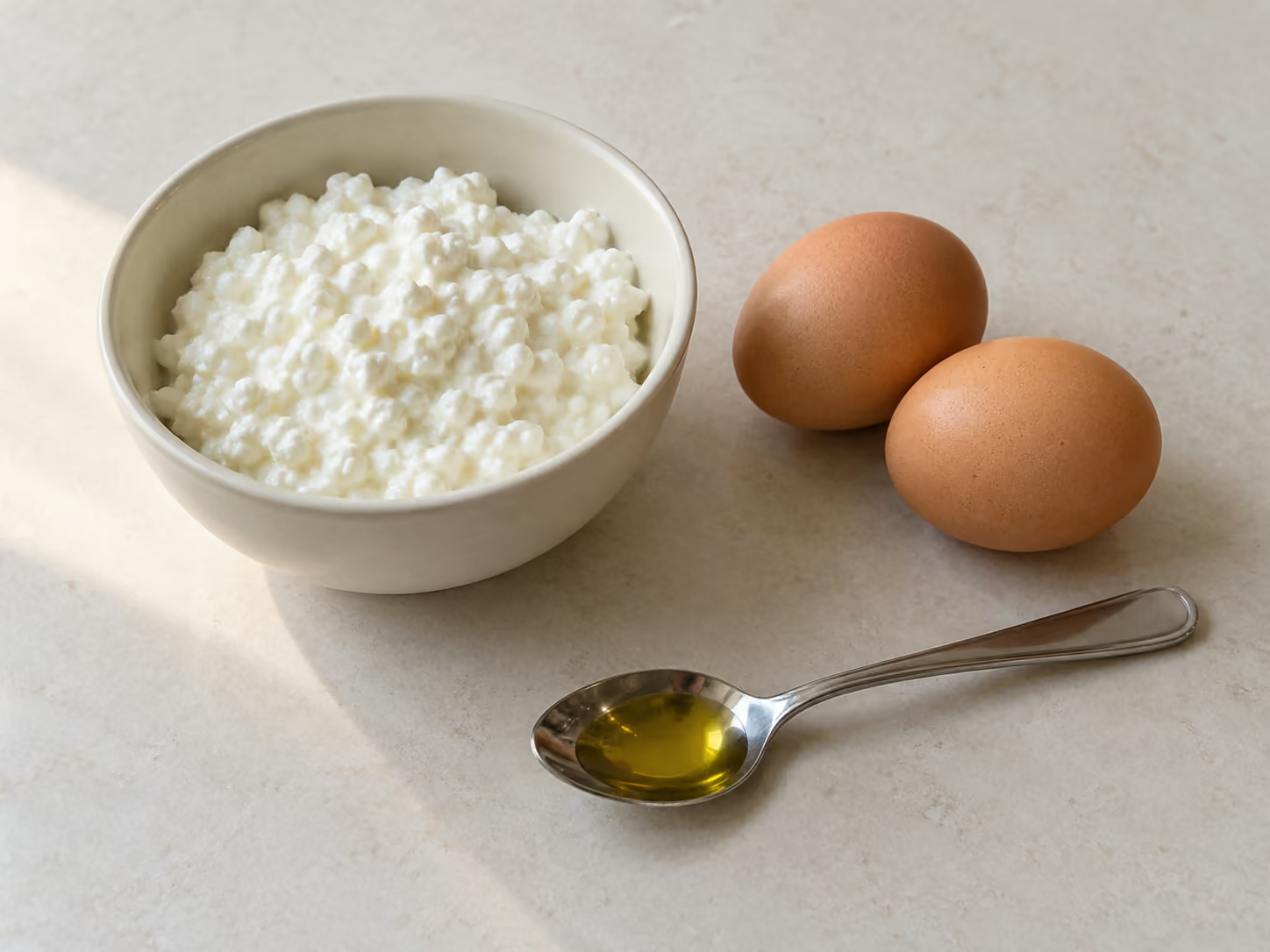
4% milkfat cottage cheese supplies the dairy base, including both curds and their creamy dressing. This version uses small curds and keeps that dressing in the measured cheese. Stirring before measuring helps make the portion consistent; draining would change the balance of water and solids. A lower-fat or lactose-free product may behave differently, so neither is a guaranteed equivalent here.
Whole eggs provide the structure that lets the blended mixture become a sheet. Keeping the yolks also keeps their fat in the formula. Egg whites alone, flax eggs, and an egg-free mixture would need their own development rather than a one-for-one substitution.
Olive oil is for the parchment, not the batter. A neutral oil such as canola can replace it in the same amount. The optional salt-free Italian herbs add flavor without changing the dairy-and-egg base. Leave them out for a plainer sandwich base. Everything Bagel Seasoning is not the reference seasoning here; blends vary in salt and may contain sesame.
The name “2-ingredient cottage cheese flatbread” refers to the two main batter ingredients. This recipe also calls for oil to prepare the paper and offers optional herbs. The full amounts and method appear in the recipe card below. For more ways to build a meal around this base, browse our lunch recipes.
Why cottage cheese and egg flatbread sets
Heat changes the egg proteins so they can form a connected structure. This is coagulation, the same basic function described by the American Egg Board. In this mixture, that structure holds the blended dairy together while moisture escapes during baking. Blending removes visible curds; it does not create a kneadable bread dough.
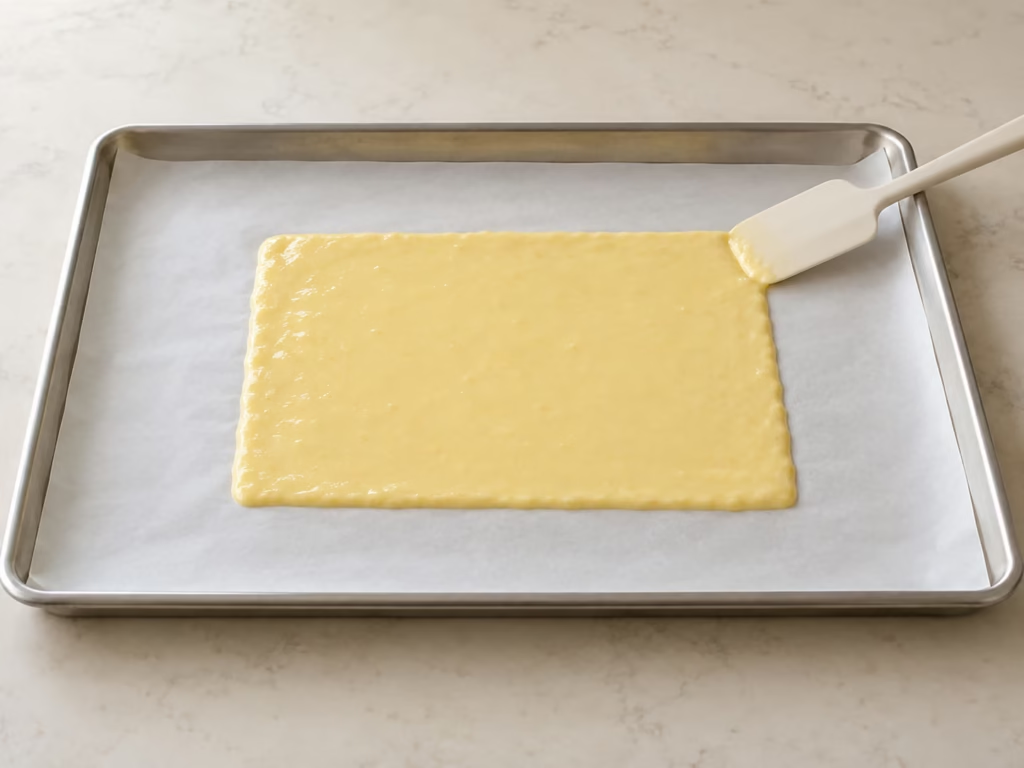
Spreading area matters because it controls thickness. The specified rectangle leaves a margin on the larger baking sheet. Spreading the same batter across the whole sheet makes a thinner layer, particularly at the edges, which may dry out before the middle is ready. A thicker center can create the opposite problem: a damp middle with already-browned edges.
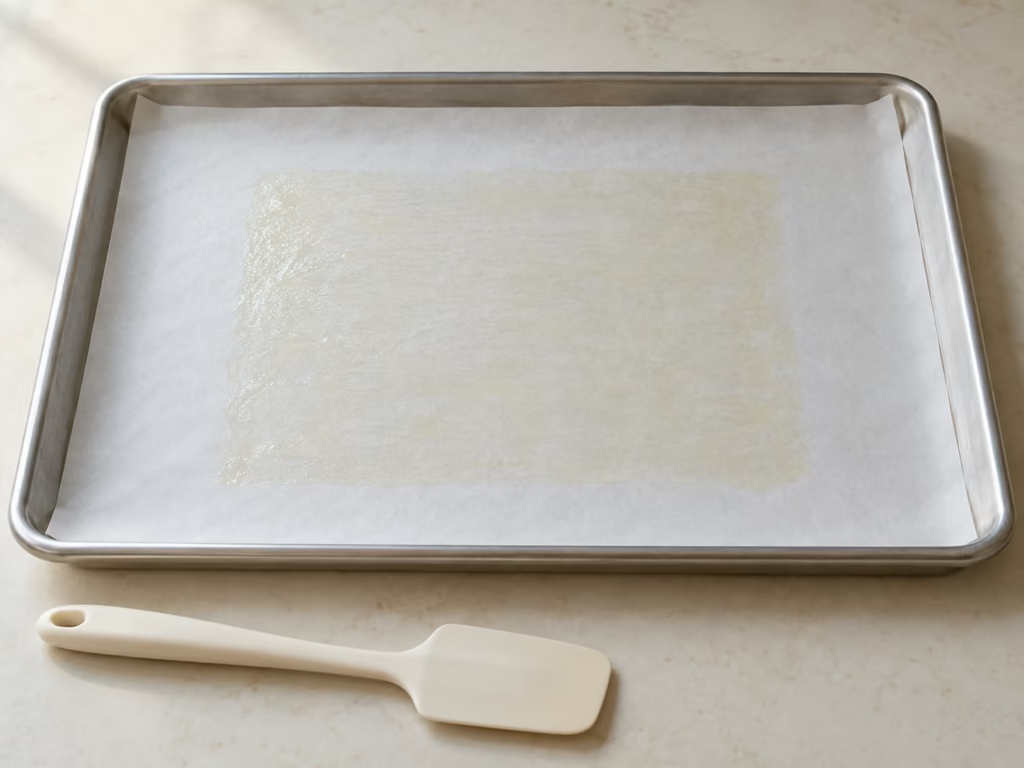
Silicone-coated, oven-safe parchment provides a release surface, and a thin film of oil helps limit adhesion. Use parchment within its manufacturer’s temperature limit. Wax paper is not an alternative baking liner. A silicone mat, foil, or a bare pan changes the contact surface and is not an established equivalent for this version.
Doneness cues: look at the center, not just the edges
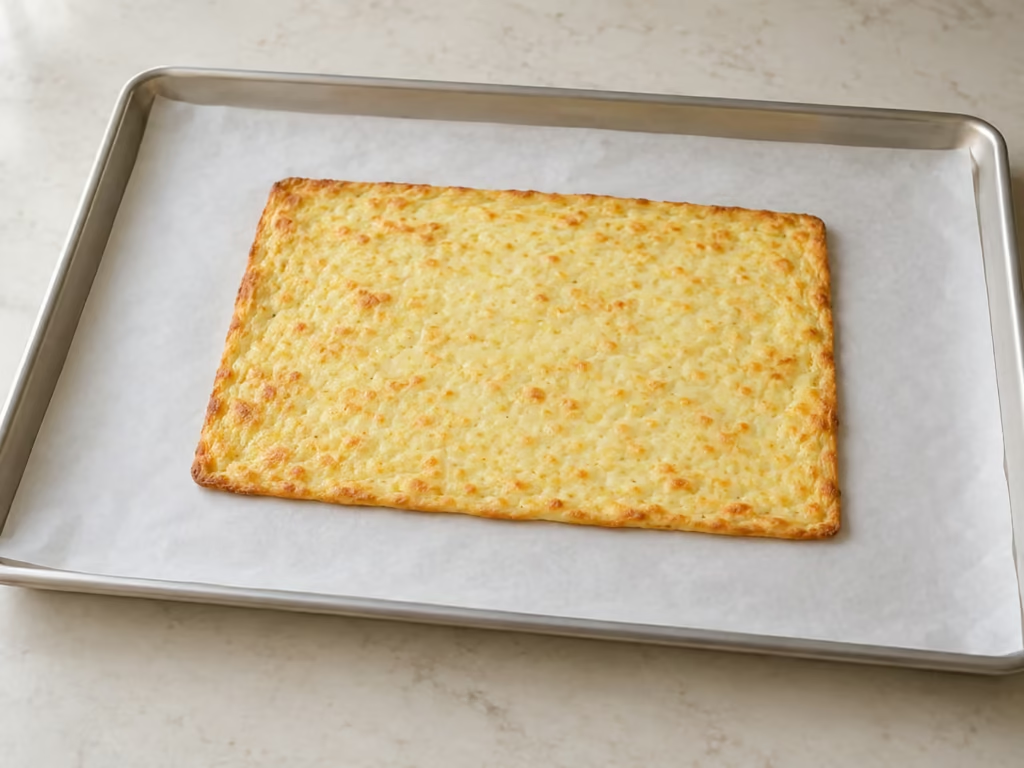
The useful visual combination is golden edges with a set center. Wet-looking pools, liquid movement when the sheet is gently nudged, or a surface that smears under the back of a silicone spatula indicate that the center still needs attention. Deep browning is not the target: this flatbread is intended to stay flexible after cooling.
These cues describe texture; they do not verify food safety. The FDA recommends 160°F (71°C) for dishes containing eggs. A thin-tip thermometer suitable for thin foods needs its sensing area inside the thickest part, inserted sideways without touching the hot sheet. A surface reading or a probe against the pan cannot establish the internal temperature.
Troubleshooting a wet center or sticking paper
Brown edges with a wet middle: the color at the perimeter is not enough to call the flatbread done. The recipe card includes short additional baking intervals and optional foil shielding for the edges only. Keeping the center uncovered allows it to continue cooking. On the next batch, pay particular attention to an even layer instead of a thick central mound.
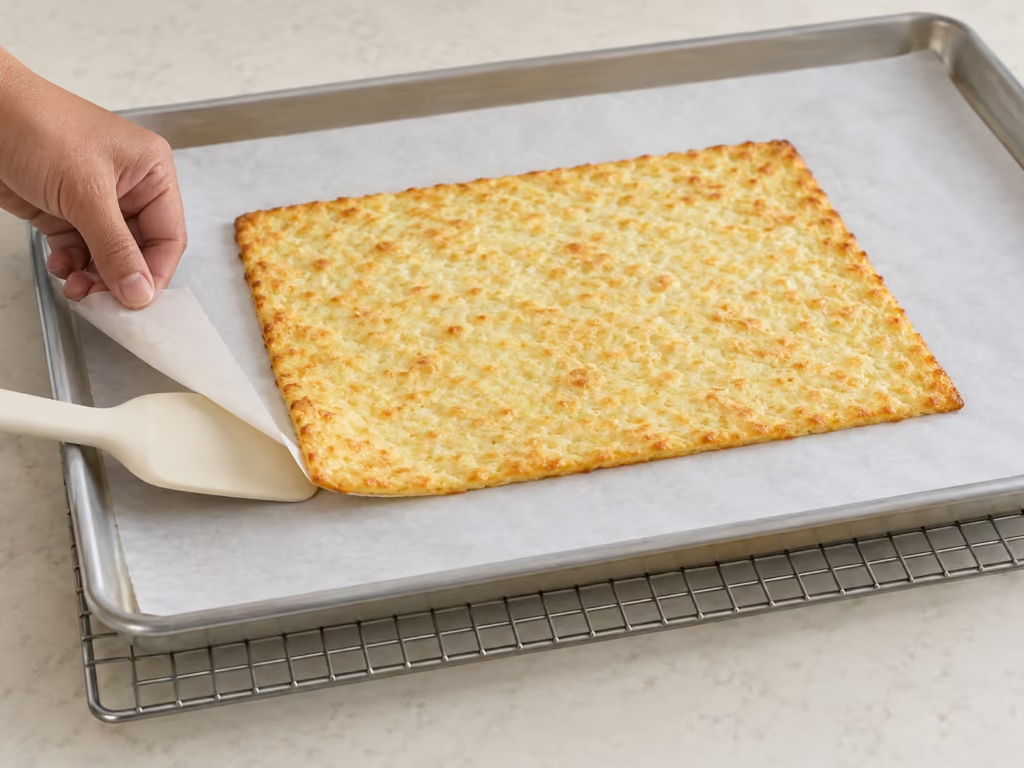
Paper catches when you lift a corner: first consider whether the center is still warm. Cooling is part of this method, not an optional shortcut. Pulling the flatbread upward concentrates force on that corner. Supporting it and peeling the paper back close to the surface is a gentler release. Stop at a sticking patch and loosen it locally with the spatula; continued pulling may tear the sheet.
A brittle, deeply browned sheet: excess drying or unusually thin patches are possible causes. More oven time is not a dependable solution to sticking when the center is already set and safe. Keep the intended result in mind: a cooled, flexible base with lightly browned edges, rather than a crisp tortilla.
Soggy after filling: keep sandwich fillings separate until you are ready to eat. Add a filling such as chicken salad without celery to the cooled flatbread just before serving, rather than storing an assembled sandwich against a moist filling.
2-Ingredient Cottage Cheese Flatbread Recipe
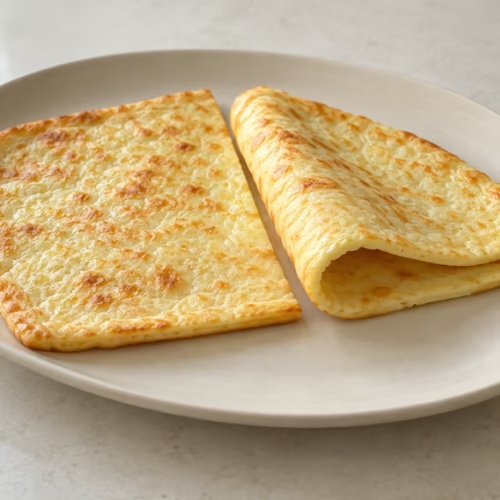
2-Ingredient Cottage Cheese Flatbread
Equipment
- Conventional oven Center rack; conventional heat
- Light-colored rimmed metal baking sheet 13 × 18 inches (33 × 46 cm)
- Oven-safe silicone-coated parchment paper Follow the manufacturer’s temperature limit
- Small blender or immersion blender Use a suitable tall cup with an immersion blender
- Flexible silicone spatula For spreading and supporting the flatbread
- Wire cooling rack For cooling the sheet and holding the released flatbread briefly
- Thin-tip instant-read food thermometer Suitable for measuring thin foods sideways
- Aluminum Foil Only if needed to shield edges that darken before the center sets
Ingredients
- 1 cup 4% milkfat small-curd cottage cheese about 226 g; stirred, not drained
- 2 large eggs
- 1 teaspoon olive oil 5 mL; for greasing the parchment
- 1/2 teaspoon salt-free Italian seasoning 2.5 mL; optional
Instructions
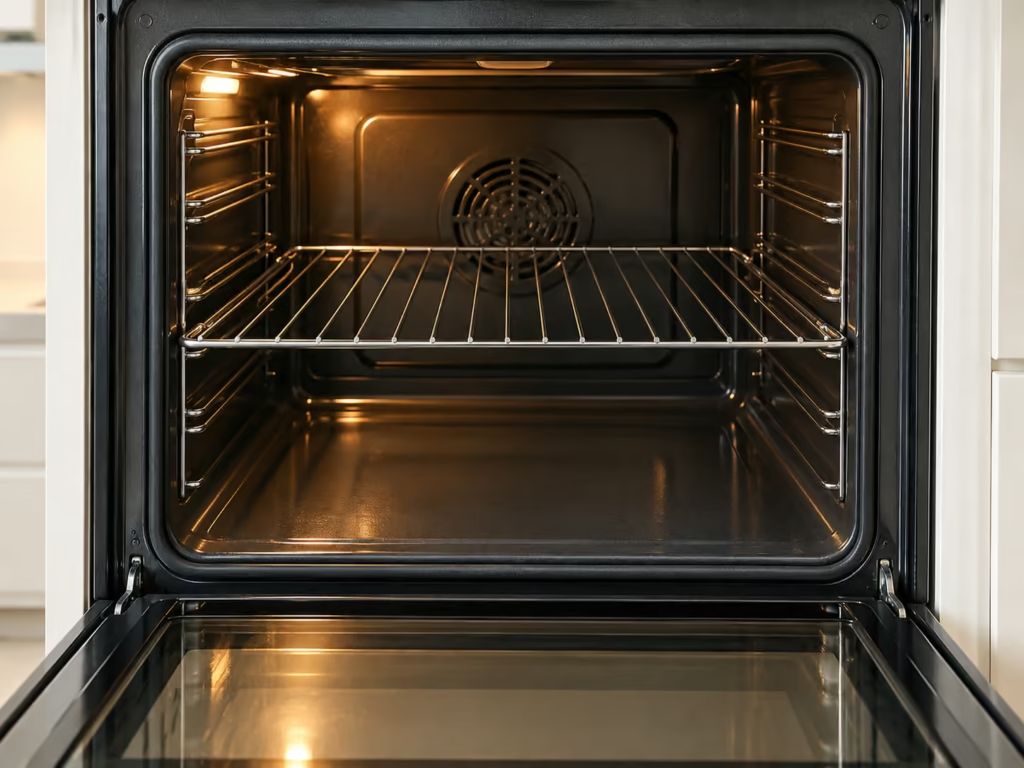
- Position a rack in the center of the oven and preheat to 350°F (175°C) using conventional heat. Keep the cottage cheese and eggs refrigerated until you are ready to blend them.

- Line a light-colored 13 × 18-inch rimmed metal baking sheet with oven-safe silicone-coated parchment paper. Spread the olive oil in a thin, even film over an 8 × 10-inch (20 × 25 cm) area in the center of the parchment.1 teaspoon olive oil
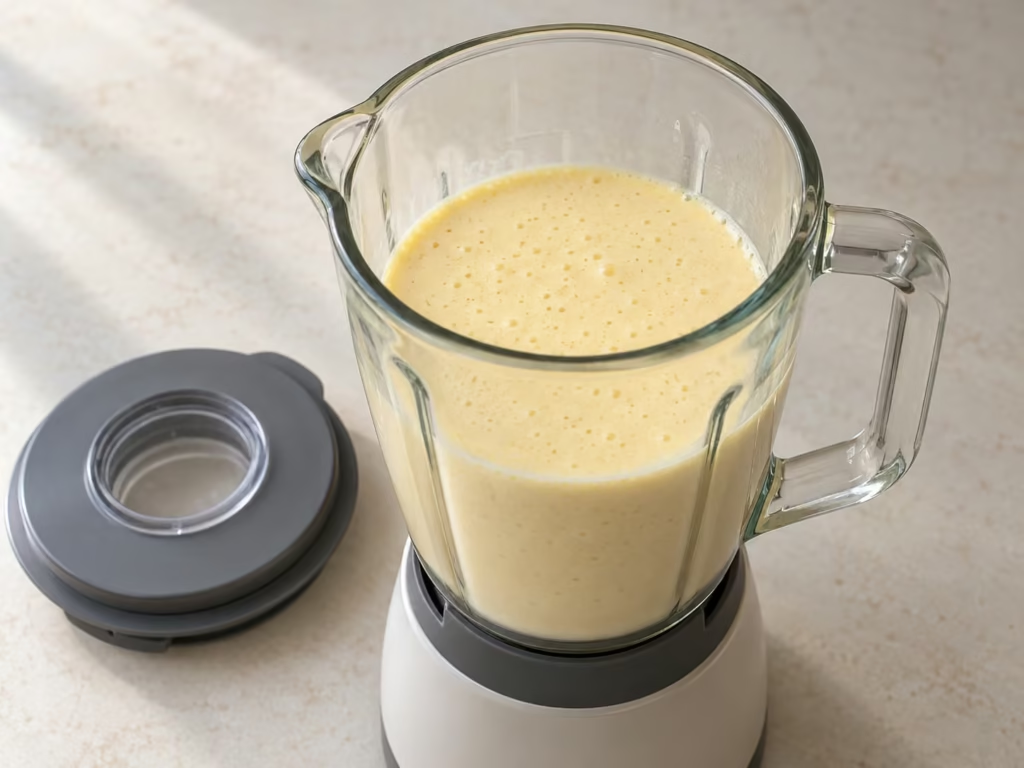
- Gently stir the cottage cheese in its container, then measure 1 cup. Add the cottage cheese, whole eggs, and Italian seasoning, if using, to a small blender or a tall cup suitable for an immersion blender. Blend just until smooth and no visible curds remain, scraping the sides with a silicone spatula if needed. Do not add water or milk.1 cup 4% milkfat small-curd cottage cheese, 2 large eggs, 1/2 teaspoon salt-free Italian seasoning
- Pour the batter onto the oiled area of the parchment. Use the silicone spatula to spread it into an 8 × 10-inch (20 × 25 cm) rectangle with an even thickness all the way to the edges. Keep the batter within this rectangle rather than covering the entire baking sheet. Place the sheet in the oven only once the oven has reached the set temperature.
- Bake on the center rack for about 35–40 minutes, checking at 30 minutes. The edges should be golden, the center should have no wet-looking pools or liquid movement when the sheet is gently nudged, and the surface should feel set rather than smear when lightly touched with the back of the silicone spatula. Check the thickest part with a thin-tip food thermometer suitable for thin foods: insert the probe sideways so its sensing area is inside the flatbread without touching the hot sheet. The center must reach at least 160°F (71°C). If the center is still wet or below that temperature, continue baking in 3–5-minute intervals and check again. If the edges darken before the center sets, shield just the edges with narrow strips of foil, leaving the center uncovered. Remove the baking sheet once the center is set and the temperature requirement is met.
- Set the baking sheet on a wire rack and let the flatbread cool completely on the parchment, about 20–30 minutes. Check that the center is no longer warm before removing it. Loosen one corner with the silicone spatula, then support the flatbread while peeling the parchment back slowly and close to the surface. Avoid pulling the flatbread upward. If an area catches, stop pulling and gently loosen it with the spatula before continuing. Set the released flatbread on the rack while you portion it.
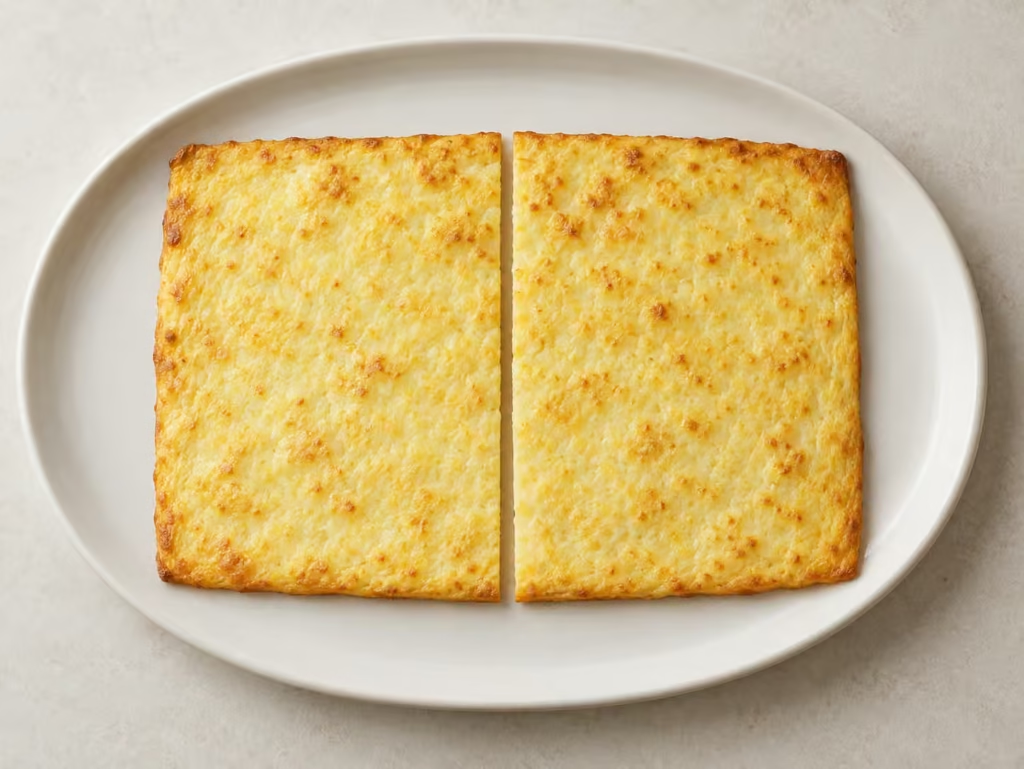
- Cut the flatbread crosswise into two equal portions. Use each half as the base for a small folded sandwich, or serve it plain. Add any fillings just before serving. Refrigerate any portions you are saving promptly; fillings are not included in this recipe’s yield or nutrition.

Notes
How to store cottage cheese flatbread
Refrigerate the cooled, plain flatbread promptly in an airtight container, with parchment between portions, at 40°F (4°C) or below. Use within 3 days. The total time outside refrigeration must stay under 2 hours, or 1 hour above 90°F (32°C). Keep fillings separate until serving, and use an ice pack when packing lunch away from home.
Reheating and serving
For reheating, the oven setting is 350°F (175°C), but the endpoint is an internal temperature of 165°F (74°C). Start checking after about 5 minutes; the time is an estimate. Longer heating can make the sheet brittle. Freezing and post-thaw flexibility have not been established for this version.
Serve the plain flatbread beside Mediterranean lentil soup, or use each half as the base for a small folded sandwich. Fillings and sides are separate recipes and are not included in this flatbread’s yield.
Frequently asked questions
Can I make cottage cheese flatbread without eggs?
This version needs whole eggs for its structure. Egg-free mixtures and flax eggs are not established substitutes; changing them requires a different formula.
Is this cottage cheese flatbread gluten-free?
The formula contains no flour, but that alone is not a gluten-free certification. If you need to avoid gluten, check every ingredient label, including the seasoning, and prevent cross-contact.
Can I use it as a crispy pizza crust?
This version is designed as a soft sandwich base. A crisp pizza crust, toppings, and a second bake would need separate development; no pizza baking time is provided here.
Can I cook cottage cheese flatbread in an air fryer?
This recipe specifies a conventional oven. Air-fryer airflow, basket size, and liner behavior differ, so an air-fryer temperature or cooking time has not been established for this version.