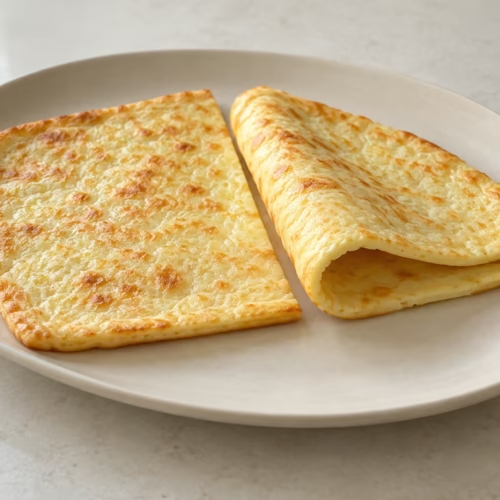
2-Ingredient Cottage Cheese Flatbread
A flourless cottage cheese and whole-egg base intended for small folded sandwiches, with a soft center and lightly golden edges. Includes parchment-preparation oil and optional herbs. Baking and cooling times are estimates.
Equipment
- Conventional oven Center rack; conventional heat
- Light-colored rimmed metal baking sheet 13 × 18 inches (33 × 46 cm)
- Oven-safe silicone-coated parchment paper Follow the manufacturer's temperature limit
- Small blender or immersion blender Use a suitable tall cup with an immersion blender
- Flexible silicone spatula For spreading and supporting the flatbread
- Wire cooling rack For cooling the sheet and holding the released flatbread briefly
- Thin-tip instant-read food thermometer Suitable for measuring thin foods sideways
- Aluminum Foil Only if needed to shield edges that darken before the center sets
Ingredients
- 1 cup 4% milkfat small-curd cottage cheese about 226 g; stirred, not drained
- 2 large eggs
- 1 teaspoon olive oil 5 mL; for greasing the parchment
- 1/2 teaspoon salt-free Italian seasoning 2.5 mL; optional
Instructions
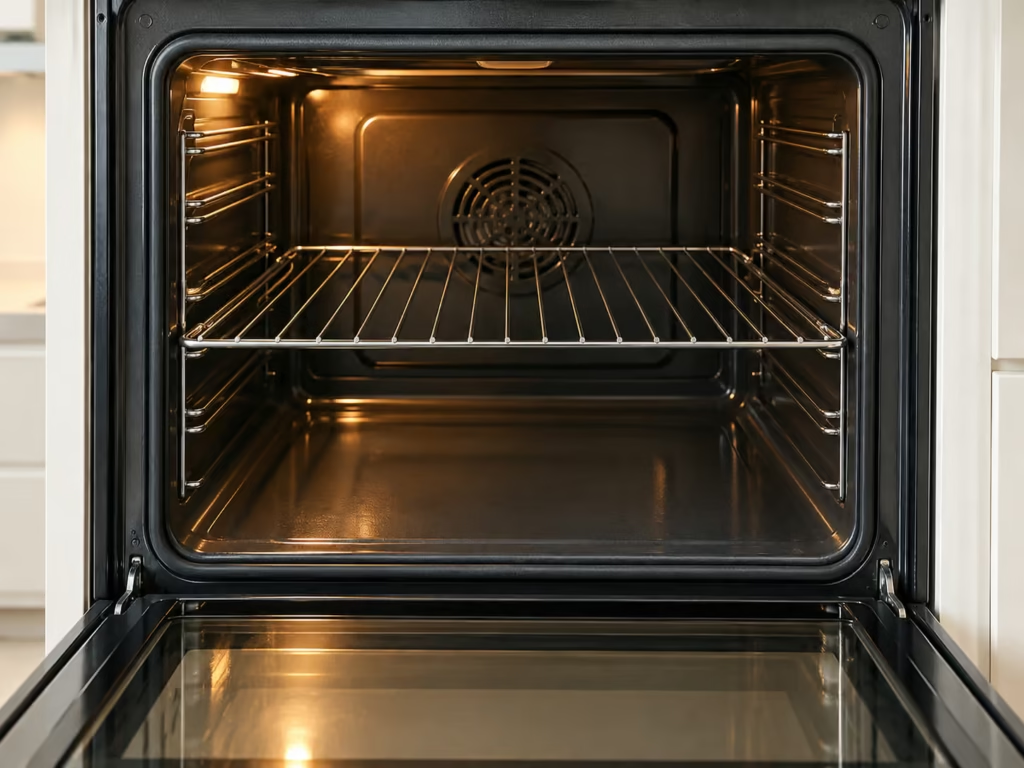
- Position a rack in the center of the oven and preheat to 350°F (175°C) using conventional heat. Keep the cottage cheese and eggs refrigerated until you are ready to blend them.
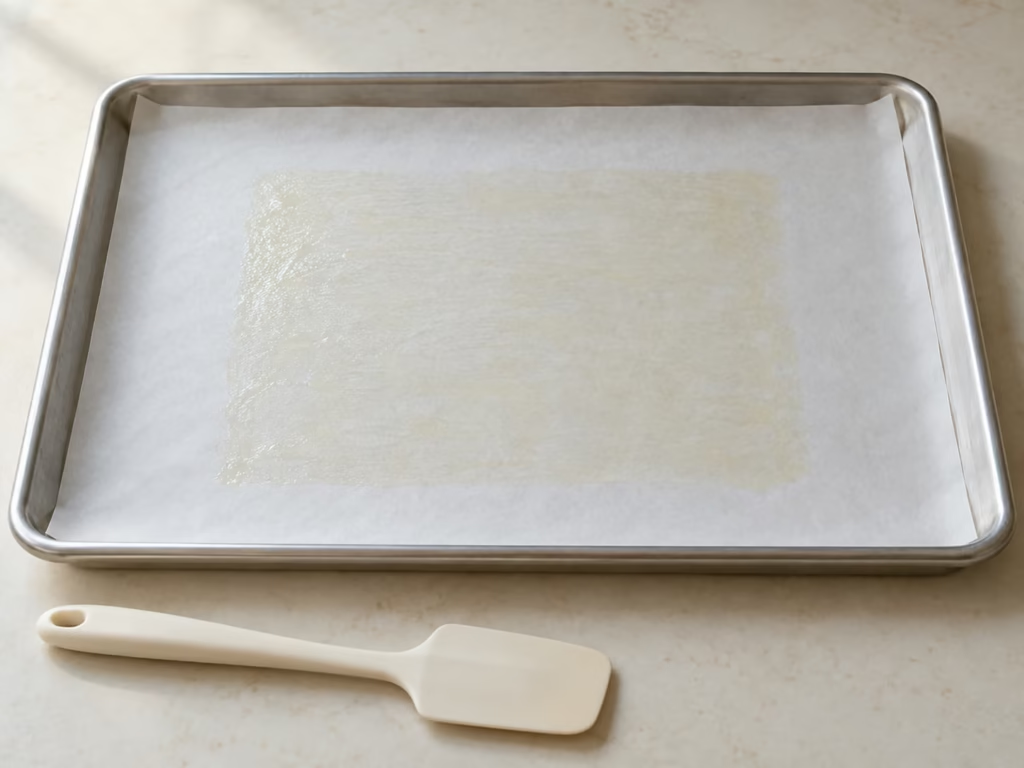
- Line a light-colored 13 × 18-inch rimmed metal baking sheet with oven-safe silicone-coated parchment paper. Spread the olive oil in a thin, even film over an 8 × 10-inch (20 × 25 cm) area in the center of the parchment.1 teaspoon olive oil
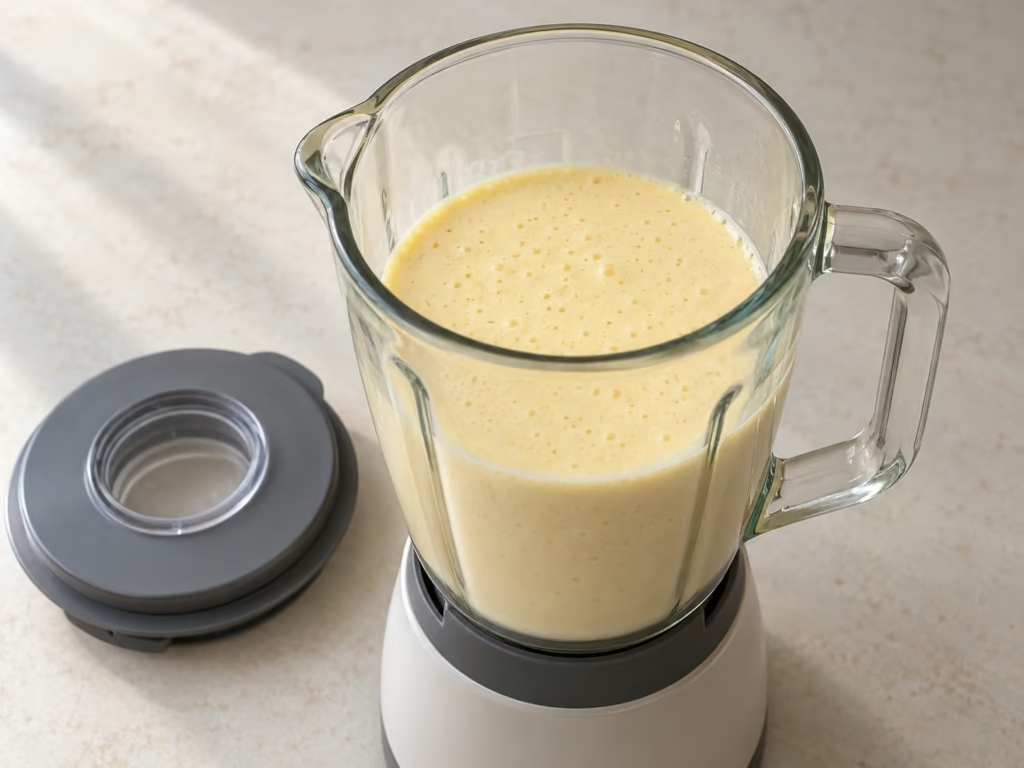
- Gently stir the cottage cheese in its container, then measure 1 cup. Add the cottage cheese, whole eggs, and Italian seasoning, if using, to a small blender or a tall cup suitable for an immersion blender. Blend just until smooth and no visible curds remain, scraping the sides with a silicone spatula if needed. Do not add water or milk.1 cup 4% milkfat small-curd cottage cheese, 2 large eggs, 1/2 teaspoon salt-free Italian seasoning
- Pour the batter onto the oiled area of the parchment. Use the silicone spatula to spread it into an 8 × 10-inch (20 × 25 cm) rectangle with an even thickness all the way to the edges. Keep the batter within this rectangle rather than covering the entire baking sheet. Place the sheet in the oven only once the oven has reached the set temperature.
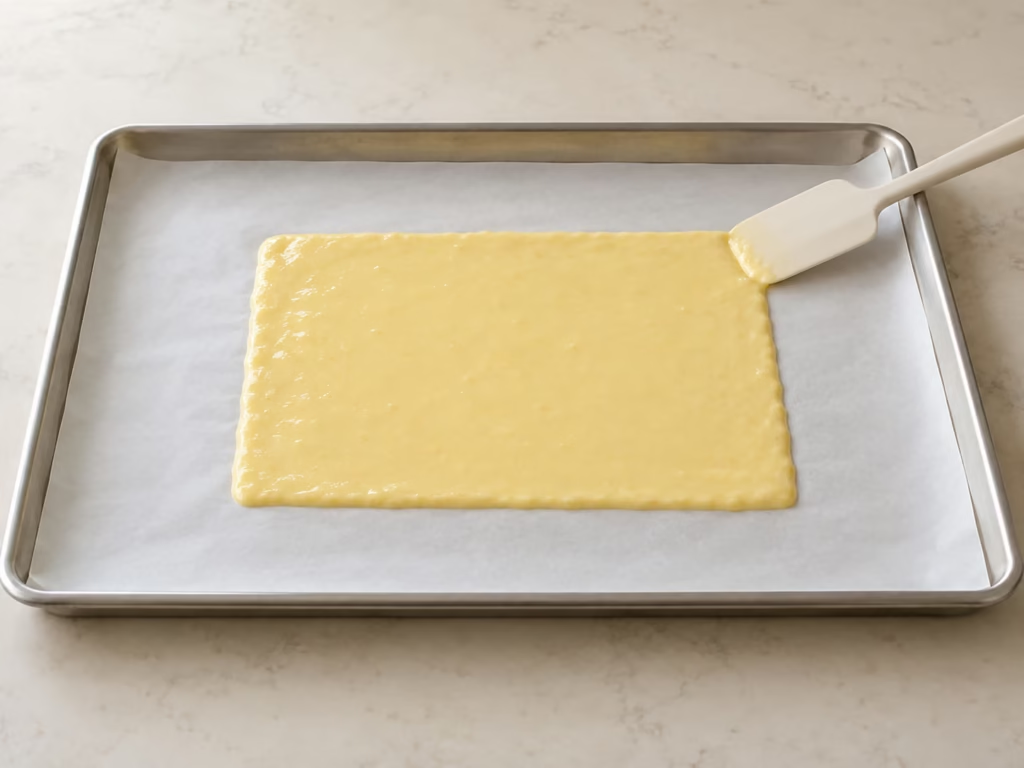
- Bake on the center rack for about 35–40 minutes, checking at 30 minutes. The edges should be golden, the center should have no wet-looking pools or liquid movement when the sheet is gently nudged, and the surface should feel set rather than smear when lightly touched with the back of the silicone spatula. Check the thickest part with a thin-tip food thermometer suitable for thin foods: insert the probe sideways so its sensing area is inside the flatbread without touching the hot sheet. The center must reach at least 160°F (71°C). If the center is still wet or below that temperature, continue baking in 3–5-minute intervals and check again. If the edges darken before the center sets, shield just the edges with narrow strips of foil, leaving the center uncovered. Remove the baking sheet once the center is set and the temperature requirement is met.
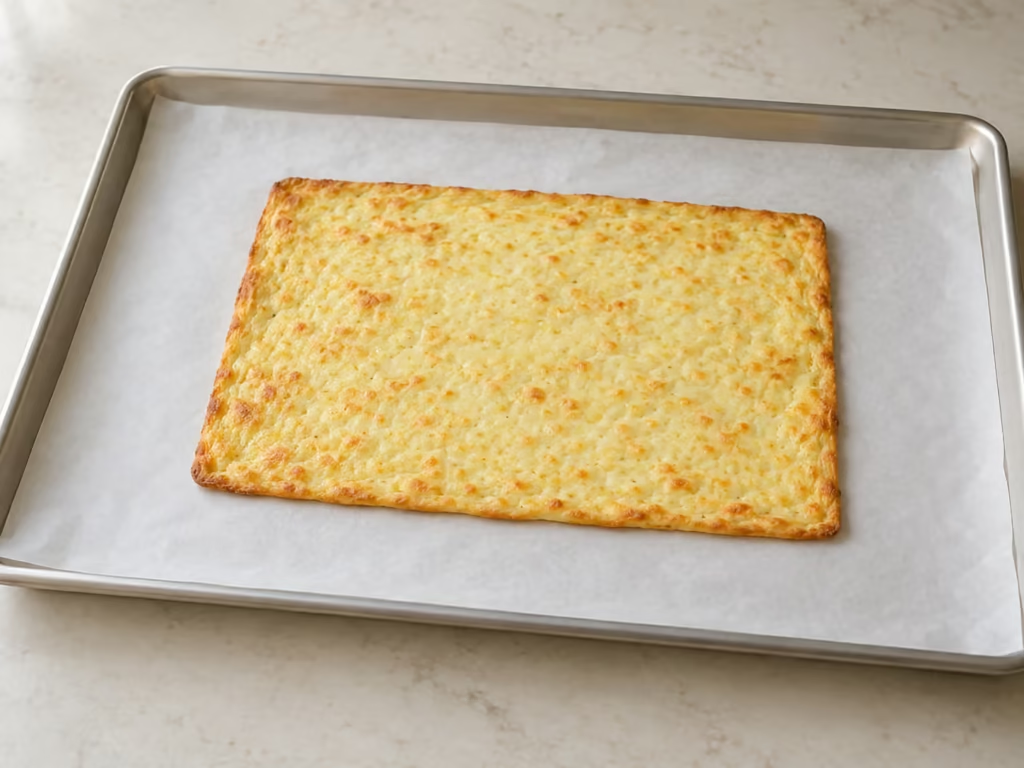
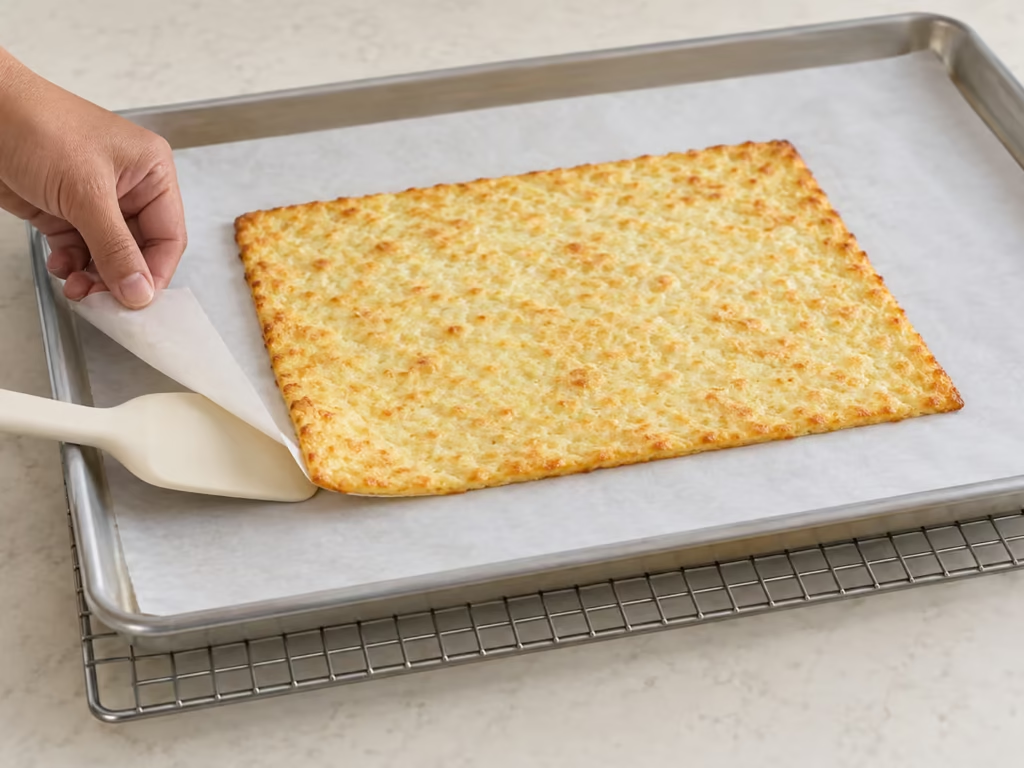
- Set the baking sheet on a wire rack and let the flatbread cool completely on the parchment, about 20–30 minutes. Check that the center is no longer warm before removing it. Loosen one corner with the silicone spatula, then support the flatbread while peeling the parchment back slowly and close to the surface. Avoid pulling the flatbread upward. If an area catches, stop pulling and gently loosen it with the spatula before continuing. Set the released flatbread on the rack while you portion it.
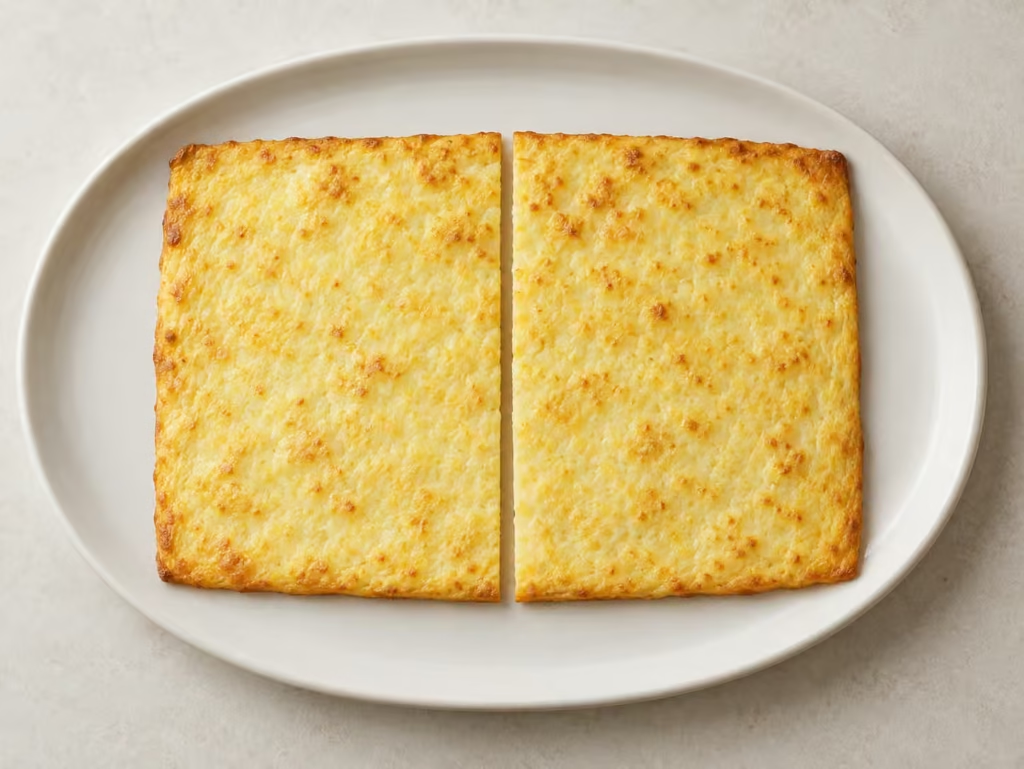
- Cut the flatbread crosswise into two equal portions. Use each half as the base for a small folded sandwich, or serve it plain. Add any fillings just before serving. Refrigerate any portions you are saving promptly; fillings are not included in this recipe's yield or nutrition.
Notes
Yield: One flatbread, divided into 2 equal servings, without fillings. The raw spreading area is 8 × 10 inches (20 × 25 cm); some shrinkage may occur.
Timing: All times are estimates. The nominal total includes preheating and cooling. Bake about 35–40 minutes, checking at 30 minutes; allow about 20–30 minutes to cool. A slower preheat or extra baking extends the total.
Swaps: Use the same amount of a neutral oil, such as canola, in place of olive oil, or omit the optional herbs. Other cheese types and egg replacements are not established equivalents.
Storage: Refrigerate promptly after cooling at 40°F (4°C) or below, with parchment between portions in an airtight container. Use within 3 days. Do not exceed 2 hours total outside refrigeration, or 1 hour above 90°F (32°C).
Reheating: Reheat on a parchment-lined sheet in a preheated 350°F (175°C) conventional oven until the center reaches 165°F (74°C). Check after about 5 minutes and continue as needed; time is an estimate. Let cool enough to handle before folding. Freezing has not been established for this version.
Allergens: Contains milk and eggs.
Tried this recipe?Let us know how it was!